Safeguard History: Major Events
Since internet resources have been known to disappear over time, these descriptions are reproduced here rather than linked to.
Nov 1965 First Sprint launch
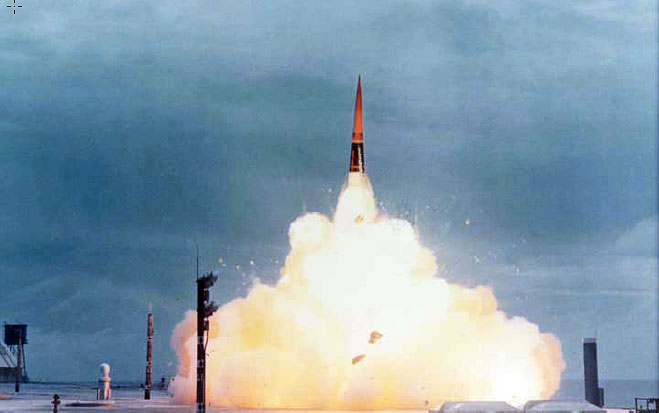
First launch of the short-range SPRINT interceptor. The missile was incandescent in flight as friction heat exceeded engine temperatures.
First launch of the short-range SPRINT interceptor. The missile was incandescent in flight as friction heat exceeded engine temperatures.
15 Oct 1967 The Huntsville Division, U.S. Army Corps of Engineers is created
It is to be exclusively dedicated to the task of designing and constructing the facilities needed for the deployment of the Army's Sentinel (later Safeguard) Ballistic Missile Defense System. Unlike other Corps divisions and districts, Huntsville Division had no other military engineering functions, no civil works responsibilities, and no geographic boundaries. In this respect it was wholly unique within the Corps.
It is to be exclusively dedicated to the task of designing and constructing the facilities needed for the deployment of the Army's Sentinel (later Safeguard) Ballistic Missile Defense System. Unlike other Corps divisions and districts, Huntsville Division had no other military engineering functions, no civil works responsibilities, and no geographic boundaries. In this respect it was wholly unique within the Corps.
30 Mar 1968 First SPARTAN Launch
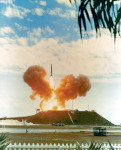
On this date, the first Spartan missile, the Army's biggest and most powerful missile, completed its first flight test at the Kwajalein Test Site in the Republic of the Marshall Islands. The test was conducted as part of the Sentinel system, predecessor to Safeguard. (more...)
On this date, the first Spartan missile, the Army's biggest and most powerful missile, completed its first flight test at the Kwajalein Test Site in the Republic of the Marshall Islands. The test was conducted as part of the Sentinel system, predecessor to Safeguard. (more...)
14 Mar 1969 President Nixon redirects ABM program from Sentinel to Safeguard
President Richard M. Nixon redirects the Sentinel ballistic missile defense program. Sentinel was to be widely deployed to protect the entire country, but the primary focus for the new program is the defense of twelve U.S. land-based ICBM sites. Components remain unchanged but deployment concepts are redrawn. Authorization was subsequently given for only two Minuteman ICBM bases, Grand Forks Air Force Base, North Dakota, and Malmstrom Air Force Base, Montana. The new system is to be named Safeguard and is to be a phased deployment rather than Sentinel's fixed deployment schedule. Annual reviews would assess technical developments, threat, and diplomatic context.
President Richard M. Nixon redirects the Sentinel ballistic missile defense program. Sentinel was to be widely deployed to protect the entire country, but the primary focus for the new program is the defense of twelve U.S. land-based ICBM sites. Components remain unchanged but deployment concepts are redrawn. Authorization was subsequently given for only two Minuteman ICBM bases, Grand Forks Air Force Base, North Dakota, and Malmstrom Air Force Base, Montana. The new system is to be named Safeguard and is to be a phased deployment rather than Sentinel's fixed deployment schedule. Annual reviews would assess technical developments, threat, and diplomatic context.
6 Aug 1969 Congress debates and ultimately approves Safeguard
Congressional debates over Safeguard implementation are detailed, confrontational, and at times highly personal. The closest opponents come to stopping Safeguard was a key Senate vote on August 6 that resulted in a tied vote, with 50 senators for and 50 against. The pro-ABM lobby carried the day due to the casting vote of Vice President Spiro Agnew. This, however, was the highpoint of Congressional opposition, with other votes being carried more easily by its supporters.
Congressional debates over Safeguard implementation are detailed, confrontational, and at times highly personal. The closest opponents come to stopping Safeguard was a key Senate vote on August 6 that resulted in a tied vote, with 50 senators for and 50 against. The pro-ABM lobby carried the day due to the casting vote of Vice President Spiro Agnew. This, however, was the highpoint of Congressional opposition, with other votes being carried more easily by its supporters.
9 Nov 1969 Congress funds Safeguard
Congress passes a bill authorizing spending on defense projects for the next fiscal year, including Safeguard
Congress passes a bill authorizing spending on defense projects for the next fiscal year, including Safeguard
Jan 1970 President Nixon extends Safeguard deployment beyond the initial two-site Phase I program
He recommends a third site at Whiteman AFB, Missouri, and site preparation at five additional locations across the nation.
He recommends a third site at Whiteman AFB, Missouri, and site preparation at five additional locations across the nation.
Jan 1970 Preparation of bid packages for the Grand Forks complex
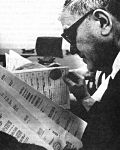
It is the largest bid package ever printed by the Corps of Engineers in its 195 year history. The total printing job amounted to 2,626,200 pages of architectural drawings and 4,340,000 pages of specifications, enough paper to make a single column reaching 2,500 feet, or twice the height of the Empire State Building, and weighing 65 tons. Individual sets of plans offered to contractors are roughly the size of an office desk and weigh 200 pounds. (Click photo for description)
It is the largest bid package ever printed by the Corps of Engineers in its 195 year history. The total printing job amounted to 2,626,200 pages of architectural drawings and 4,340,000 pages of specifications, enough paper to make a single column reaching 2,500 feet, or twice the height of the Empire State Building, and weighing 65 tons. Individual sets of plans offered to contractors are roughly the size of an office desk and weigh 200 pounds. (Click photo for description)
(Photo from A History of the Huntsville Division)
31 Mar 1970 The low bid of $137,858,850 from Morrison-Knudsen & Associates to construct the Grand Forks complex is formally accepted
Of three bids received, this is a joint venture comprised of Morrison-Knudsen, Inc., Peter Kiewit Sons' Co., Fischbach & Moore, Inc., and C. H. Leavell & Co. The Government estimate had been $126,119,014. This award constitutes the largest single construction contract awarded by the Corps up until that time. (Click photo for description)
Of three bids received, this is a joint venture comprised of Morrison-Knudsen, Inc., Peter Kiewit Sons' Co., Fischbach & Moore, Inc., and C. H. Leavell & Co. The Government estimate had been $126,119,014. This award constitutes the largest single construction contract awarded by the Corps up until that time. (Click photo for description)
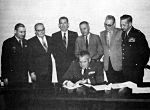
(Photo from A History of the Huntsville Division)
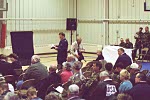
6 Apr 1970 Construction begins in North Dakota
The first shovel of dirt is turned and work starts immediately on construction of the $137 million Safeguard ABM site in northeastern North Dakota. (more...)
The first shovel of dirt is turned and work starts immediately on construction of the $137 million Safeguard ABM site in northeastern North Dakota. (more...)
4 May 1970 Contract awarded for Malmstrom MSR
The Watson Construction Co. is awarded a $3,369,850 contract for Phase I work at the Montana MSR. Construction of the Montana complex is to proceed differently from Grand Forks due to pressing fiscal considerations. Phase I is to include site excavation and the lower levels of the two radar buildings and power plants and only the first floor level of the PAR building. Phase II would then complete the major facilities. The contractors begin work immediately in order to make the most of warm weather in the 1970 construction season.
The Watson Construction Co. is awarded a $3,369,850 contract for Phase I work at the Montana MSR. Construction of the Montana complex is to proceed differently from Grand Forks due to pressing fiscal considerations. Phase I is to include site excavation and the lower levels of the two radar buildings and power plants and only the first floor level of the PAR building. Phase II would then complete the major facilities. The contractors begin work immediately in order to make the most of warm weather in the 1970 construction season.
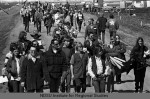
16 May 1970 International ABM Day protest
Ground preparations at the Missile Site Radar, or MSR, site near Nekoma, ND, are temporarily stopped as Army and contractor personnel prepare for International ABM Day (AKA Nekoma Festival of Life and Love). (more...)
Ground preparations at the Missile Site Radar, or MSR, site near Nekoma, ND, are temporarily stopped as Army and contractor personnel prepare for International ABM Day (AKA Nekoma Festival of Life and Love). (more...)
19 May 1970 Contract awarded for Malmstrom PAR
A contract is awarded to H.C. Smith Construction Co. and Amelco Corporation for Phase I work at the Montana PAR. Construction of the Montana complex is to proceed differently from Grand Forks due to pressing fiscal considerations. Phase I is to include site excavation and the lower levels of the two radar buildings and power plants and only the first floor level of the PAR building. Phase II would then complete the major facilities. The contractors begin work immediately in order to make the most of warm weather in the 1970 construction season.
A contract is awarded to H.C. Smith Construction Co. and Amelco Corporation for Phase I work at the Montana PAR. Construction of the Montana complex is to proceed differently from Grand Forks due to pressing fiscal considerations. Phase I is to include site excavation and the lower levels of the two radar buildings and power plants and only the first floor level of the PAR building. Phase II would then complete the major facilities. The contractors begin work immediately in order to make the most of warm weather in the 1970 construction season.
Jul, Aug 1970 Safeguard Site Activation Commands established
The two commands will be located at Grand Forks, North Dakota, and Conrad, Montana.
The two commands will be located at Grand Forks, North Dakota, and Conrad, Montana.
28 Aug 1970 Spartan passes its first live intercept test
The Safeguard System Evaluation Agency validated the mission as the "first demonstration of an autonomous missile direction center exoatmospheric intercept. The Meck MSR, Missile Site Data Processor and Spartan subsystem were successfully integrated." (more...)
The Safeguard System Evaluation Agency validated the mission as the "first demonstration of an autonomous missile direction center exoatmospheric intercept. The Meck MSR, Missile Site Data Processor and Spartan subsystem were successfully integrated." (more...)
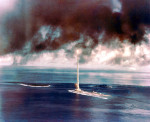
28 Oct 1970 If at first you don't succeed...
Sprint fails its first live intercept test but passes on a repeat test in December. (more...)
Sprint fails its first live intercept test but passes on a repeat test in December. (more...)
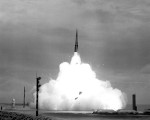
Dec 1970 First live target intercept of an ICBM by a short-range Sprint missile.
30 Aug 1971 Final Safeguard construction contract awarded
The Huntsville Division of the Corps of Engineers awarded the final Safeguard construction contract, this one for the facilities at RSL 1 and RSL 4. (more...)
The Huntsville Division of the Corps of Engineers awarded the final Safeguard construction contract, this one for the facilities at RSL 1 and RSL 4. (more...)
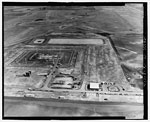
1 Oct 1971 Safeguard units organized
The Army Air Defense Command organizes the U.S. Army Surveillance Battalion, Cavalier, ND, and the U.S. Army SAFEGUARD Command, Langdon, ND.
The Army Air Defense Command organizes the U.S. Army Surveillance Battalion, Cavalier, ND, and the U.S. Army SAFEGUARD Command, Langdon, ND.

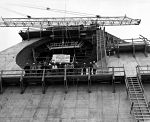
12 Oct 1971 ND Missile Site Control Building is topped out
33,000 cubic yards of concrete were eventually used in the construction of the pyramid, along with 3,465 tons of steel. (more...)
33,000 cubic yards of concrete were eventually used in the construction of the pyramid, along with 3,465 tons of steel. (more...)
Jan 1972 Prototype MSR successfully guides Sprint missile to a space-point intercept.
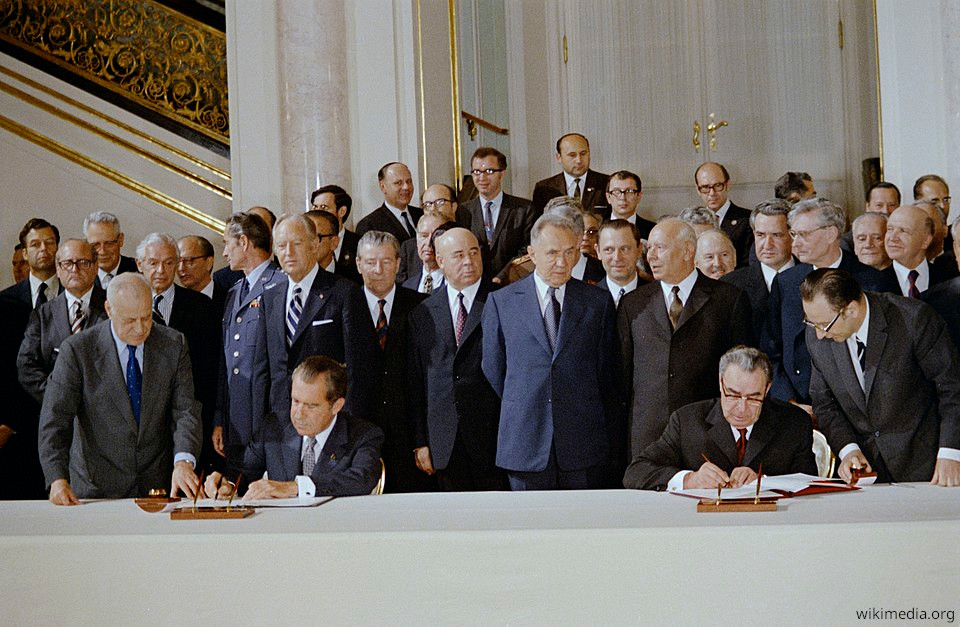
26 May 1972 ABM treaty signed
The SALT I ABM Treaty is signed by U.S. President Richard Nixon and Soviet leader Leonid Brezhnev at a summit in Moscow. It limits each side to only two ABM sites and a maximum of 100 launchers per site. A later (1974) protocol reduced the agreement to one ABM site apiece.
The SALT I ABM Treaty is signed by U.S. President Richard Nixon and Soviet leader Leonid Brezhnev at a summit in Moscow. It limits each side to only two ABM sites and a maximum of 100 launchers per site. A later (1974) protocol reduced the agreement to one ABM site apiece.
27 May 1972 Malmstrom work suspended
The SALT I treaty permits only one ABM site located within American Minuteman fields, but the United States is building two. The Secretary of Defense therefore directs a suspension of all Safeguard construction at Malmstrom and all future work at other sites except Grand Forks.
The SALT I treaty permits only one ABM site located within American Minuteman fields, but the United States is building two. The Secretary of Defense therefore directs a suspension of all Safeguard construction at Malmstrom and all future work at other sites except Grand Forks.
3 Aug 1972 ABM treaty ratified by Senate
In a roll call vote, the Senate ratified the ABM treaty by a vote of 88 to two, easily achieving the two-thirds margin needed to approve a treaty. (more...)
In a roll call vote, the Senate ratified the ABM treaty by a vote of 88 to two, easily achieving the two-thirds margin needed to approve a treaty. (more...)
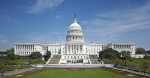
24 Aug 1972 SPRINT launch M2-42A: An opportunity to learn
On Aug. 17, 1972, in the 31st flight of the Safeguard antiballistic missile system, the Sprint launch proceeded according to procedures until seconds after the launch. At that time the missile experienced a premature flight termination, which as the UPI reports explained meant that the missile exploded. (more...)
On Aug. 17, 1972, in the 31st flight of the Safeguard antiballistic missile system, the Sprint launch proceeded according to procedures until seconds after the launch. At that time the missile experienced a premature flight termination, which as the UPI reports explained meant that the missile exploded. (more...)
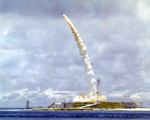
3 Oct 1972 SALT I ABM treaty signed into law by President Richard Nixon
The agreement was finalized with an exchange of instruments made on the same day. The Soviet Union had also ratified the treaty in August.
The agreement was finalized with an exchange of instruments made on the same day. The Soviet Union had also ratified the treaty in August.
5 Oct 1972 All Malmstrom construction contracts are officially terminated
9 Nov 1972 Army Activates its Newest Post -- the Grand Forks Safeguard Tactical Site
Maj. Gen. Robert C. Marshall, commander U.S. Army Safeguard Systems Command, presents the Army Field Flag to Col. Mathew W. Hoey, commander of the Grand Forks Safeguard Tactical Site. As Marshall noted, the transfer of the flag symbolized the formal activation of the new post. (more...)
Maj. Gen. Robert C. Marshall, commander U.S. Army Safeguard Systems Command, presents the Army Field Flag to Col. Mathew W. Hoey, commander of the Grand Forks Safeguard Tactical Site. As Marshall noted, the transfer of the flag symbolized the formal activation of the new post. (more...)
20 Jul 1973 PAR conducts initial satellite test
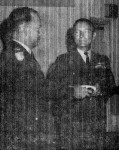
Could the radar detect a target in space? On July 20, 1973, the PAR demonstrated that the system did work as it detected its first satellite. (more...)
Could the radar detect a target in space? On July 20, 1973, the PAR demonstrated that the system did work as it detected its first satellite. (more...)
11 Sep 1973 Contracts awarded for cleanup and restoration of Malmstrom Safeguard facilities
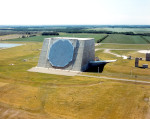
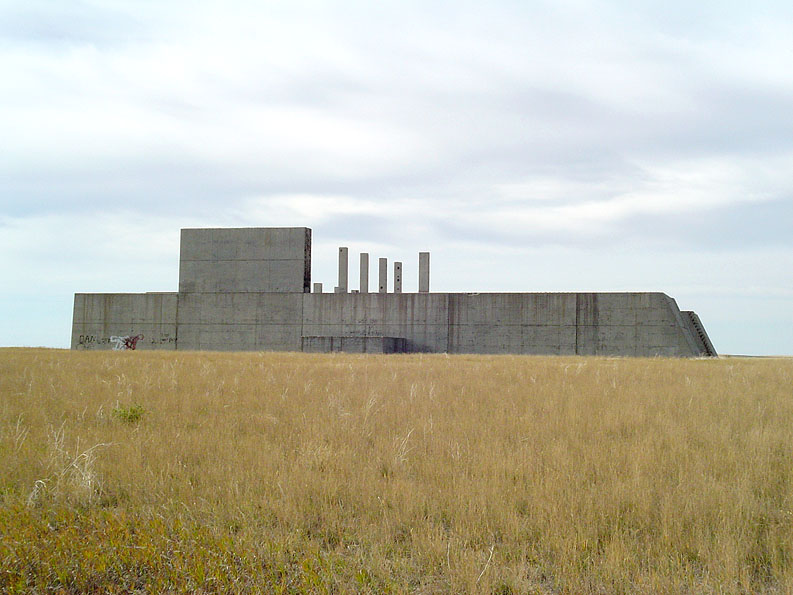
The final act in the unfortunate history of the Malmstrom ABM facilities comes on 11 September 1973, when Huntsville Division awards two contracts for cleanup and restoration of the sites to as near natural condition as practicable. By July 1974 most concrete remainders of the Safeguard facilities in Montana have received a dignified burial beneath thousands of yards of earth and a waving cover of wind-blown grass. The unfinished PAR building alone stands above ground as a mute monument to what might have been America's second ABM installation.
The final act in the unfortunate history of the Malmstrom ABM facilities comes on 11 September 1973, when Huntsville Division awards two contracts for cleanup and restoration of the sites to as near natural condition as practicable. By July 1974 most concrete remainders of the Safeguard facilities in Montana have received a dignified burial beneath thousands of yards of earth and a waving cover of wind-blown grass. The unfinished PAR building alone stands above ground as a mute monument to what might have been America's second ABM installation.
12-26 Nov 1973 MSR passes EMC radar tests
Electromagnetic compatibility (EMC) tests are successfully conducted on the MSR radar systems. (more...)
Electromagnetic compatibility (EMC) tests are successfully conducted on the MSR radar systems. (more...)

Mar 1974 Safeguard operational units assigned to ARADCOM
U.S. Surveillance Battalion, Grand Forks Site, and the U.S. Army Safeguard Command, Grand Forks Site, are reorganized and assigned to the U.S. Army Air Defense Command (ARADCOM).
U.S. Surveillance Battalion, Grand Forks Site, and the U.S. Army Safeguard Command, Grand Forks Site, are reorganized and assigned to the U.S. Army Air Defense Command (ARADCOM).
Jul 1974 ABM Treaty Protocol further limits ABM deployment
The number of sites for each side is lowered to one ABM complex. The USSR chooses to deploy the A-35 system around its capital Moscow; the US elects to deploy the Safeguard Complex around its ICBM fields of the Twentieth Air Force.
The number of sites for each side is lowered to one ABM complex. The USSR chooses to deploy the A-35 system around its capital Moscow; the US elects to deploy the Safeguard Complex around its ICBM fields of the Twentieth Air Force.
1 Aug 1974 Final SSTTP Missile Flight
The last Safeguard System Test Target Program (SSTTP) flight occurred when a Minuteman Ib was launched from Vandenberg AFB, California towards Kwajalein in the Marshall Islands, allowing for anti-ballistic missile studies via the Safeguard program to be conducted. (more...)
The last Safeguard System Test Target Program (SSTTP) flight occurred when a Minuteman Ib was launched from Vandenberg AFB, California towards Kwajalein in the Marshall Islands, allowing for anti-ballistic missile studies via the Safeguard program to be conducted. (more...)
27 Sep 1974 WECo transfers Safeguard facilities to the Army
In two concurrent ceremonies at the Missile Site Radar Complex near Nekoma, North Dakota, and at the Ballistic Missile Defense Center located in the NORAD Cheyenne Mountain Complex, near Colorado Springs, Colorado, representatives of Western Electric Company officially transfer the Safeguard facilities to the U.S. Army Ballistic Missile Defense Systems Command. (more...)
In two concurrent ceremonies at the Missile Site Radar Complex near Nekoma, North Dakota, and at the Ballistic Missile Defense Center located in the NORAD Cheyenne Mountain Complex, near Colorado Springs, Colorado, representatives of Western Electric Company officially transfer the Safeguard facilities to the U.S. Army Ballistic Missile Defense Systems Command. (more...)
1 Oct 1974 Safeguard Dedication Ceremony
The ceremony marks the equipment readiness date for the missile defense site and officially dedicates the facility in honor of Lt. Gen. Stanley R. Mickelsen. The complex is the first new military installation since World War II. (more...)
The ceremony marks the equipment readiness date for the missile defense site and officially dedicates the facility in honor of Lt. Gen. Stanley R. Mickelsen. The complex is the first new military installation since World War II. (more...)
Jan 1975 The Perimeter Acquisition Radar (PAR) completes its first tracking of two live targets.
1 Apr 1975 Initial operating capability attained
The Safeguard system at SRMSC reaches initial operational capability with 28 Sprint and 8 Spartan missiles. The "fully netted" system is turned over to the Commander-in-Chief of the Continental Air Defense Command for operational control.
The Safeguard system at SRMSC reaches initial operational capability with 28 Sprint and 8 Spartan missiles. The "fully netted" system is turned over to the Commander-in-Chief of the Continental Air Defense Command for operational control.
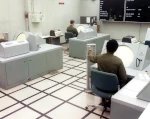
28 Sep 1975 Full operational capability attained
Routine operation begins with a workforce of 450 military personnel, 170 Army civilians and 1,300 contractors after:
> Missile installation completed
> Exercise Vigilant Overview confirms command links
to/from the NORAD Combat Operations Center
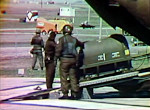
> Missile warheads delivered via operation Green Mittens
> Nuclear certification achieved via Army Technical
Proficiency Inspection
> Missile warhead installation completed
(more...)
Routine operation begins with a workforce of 450 military personnel, 170 Army civilians and 1,300 contractors after:
> Missile installation completed
> Exercise Vigilant Overview confirms command links
to/from the NORAD Combat Operations Center
> Missile warheads delivered via operation Green Mittens
> Nuclear certification achieved via Army Technical
Proficiency Inspection
> Missile warhead installation completed
(more...)
28 Sep 1975 House Appropriations Committee recommends deactivation
The House Appropriations Committee recommends deactivation of SRMSC by the end of fiscal year 1976 "because of the improved capability of the Soviet Union's new MIRVed missiles, the limited effectiveness of the Safeguard system to provide the protection it was originally intended to provide, and the diminished benefits available from operating the facility for only a single year."
The House Appropriations Committee recommends deactivation of SRMSC by the end of fiscal year 1976 "because of the improved capability of the Soviet Union's new MIRVed missiles, the limited effectiveness of the Safeguard system to provide the protection it was originally intended to provide, and the diminished benefits available from operating the facility for only a single year."
23 Oct 1975 Safeguard Operations Plan signed
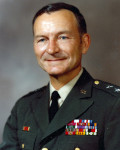
Maj. Gen. Robert C. Marshall, Ballistic Missile Defense, or BMD, program manager, signs the Safeguard missile defense operations plan that was developed as part of the Ballistic Missile Defense master plan. (more...)
Maj. Gen. Robert C. Marshall, Ballistic Missile Defense, or BMD, program manager, signs the Safeguard missile defense operations plan that was developed as part of the Ballistic Missile Defense master plan. (more...)
18 Nov 1975 FY 1976/7 Safeguard funds restricted to deactivation
Senator Edward Kennedy introduces an amendment to the fiscal year 1976/7 Appropriations Bill that specifies funds provided for the ABM facility (other than the Perimeter Acquisition Radar) may only be used for the "expeditious termination and deactivation of all operations at that facility." The amendment is incorporated into the final act.
Senator Edward Kennedy introduces an amendment to the fiscal year 1976/7 Appropriations Bill that specifies funds provided for the ABM facility (other than the Perimeter Acquisition Radar) may only be used for the "expeditious termination and deactivation of all operations at that facility." The amendment is incorporated into the final act.
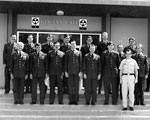
15 Dec 1975 Final missile maintenance class graduates from the Safeguard Central Training Facility (SCTF)
Following graduateion, the SCTF at Fort Bliss is deactivated. (more...)
Following graduateion, the SCTF at Fort Bliss is deactivated. (more...)
10 Feb 1976 Deactivation is ordered to begin
The Joint Chiefs of Staff direct that deactivation of Safeguard begin per the Congressional decision. Radiation for the Missile Site Radar and the missile launch capability are terminated and warhead withdrawal commences. The DoD had wanted to keep the site operational for at least one year to gain experience. Congress, however, "sensed the increased vulnerability of a single site to Soviet ICBMs with multiple, independently-targeted, reentry vehicles (MIRVs)." (more...)
The Joint Chiefs of Staff direct that deactivation of Safeguard begin per the Congressional decision. Radiation for the Missile Site Radar and the missile launch capability are terminated and warhead withdrawal commences. The DoD had wanted to keep the site operational for at least one year to gain experience. Congress, however, "sensed the increased vulnerability of a single site to Soviet ICBMs with multiple, independently-targeted, reentry vehicles (MIRVs)." (more...)
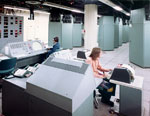
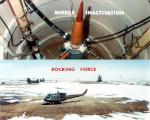
15 Feb 1976 Operation Rocking Force: Missile Inactivation
This operation addressed the removal and disposal of the all of the Safeguard missile warhead sections, including all classified missile components. Once the specified equipment was removed from each missile or group of missiles, closely monitored helicopter convoys ferried the equipment to the waiting cargo planes to be transported to various Army depots across the country. (more...)
This operation addressed the removal and disposal of the all of the Safeguard missile warhead sections, including all classified missile components. Once the specified equipment was removed from each missile or group of missiles, closely monitored helicopter convoys ferried the equipment to the waiting cargo planes to be transported to various Army depots across the country. (more...)
Aug 1976 North Dakota's Biggest Junkyard
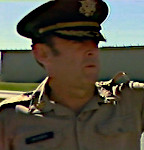
Major Fred Wegner is the last commissioned officer at SRMSC. He will be responsible for the huge salvage operation that is about to begin that will attempt to dispose of anything of value at the MSR complex. (more...)
Major Fred Wegner is the last commissioned officer at SRMSC. He will be responsible for the huge salvage operation that is about to begin that will attempt to dispose of anything of value at the MSR complex. (more...)
Aug 1976 U.S. Army Safeguard Command inactivated
1976 - 1977 Major upgrades to PAR software
Two new functions are added to the PAR's software:
PACS: PAR Attack Characterization System (1976)
SPADATS: Space Detection and Tracking System (1977)
(more...)
Two new functions are added to the PAR's software:
PACS: PAR Attack Characterization System (1976)
SPADATS: Space Detection and Tracking System (1977)
(more...)
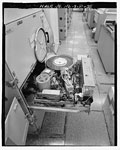
Sep 1977 SRMSC (except the Perimeter Acquisition Radar) placed in caretaker status
1 Oct 1977 PAR transferred from U.S. Army to U.S. Air Force
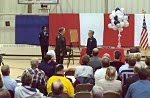
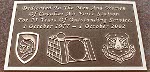
The 1977 transfer ceremony was reenacted at the 2002 25th anniversary celebration for Cavalier Air Force Station. (more...)
The 1977 transfer ceremony was reenacted at the 2002 25th anniversary celebration for Cavalier Air Force Station. (more...)
2012 Major upgrades to PARCS hardware
Two major subsystems are upgraded:
The legacy Central Logic and Control (CLC) computer
hardware is replaced:
The 48 large cabinets are replaced by a single box
about the size of one of the original cabinets. The new
hardware runs the original software via emulation.
The 100+ original travelling wave tubes (TWT's) in the
transmitters are replaced with an updated version that
operates at lower temperatures. This extends the service life
of these components by up to 25,000 hours.
(more...)
Two major subsystems are upgraded:
The legacy Central Logic and Control (CLC) computer
hardware is replaced:
The 48 large cabinets are replaced by a single box
about the size of one of the original cabinets. The new
hardware runs the original software via emulation.
The 100+ original travelling wave tubes (TWT's) in the
transmitters are replaced with an updated version that
operates at lower temperatures. This extends the service life
of these components by up to 25,000 hours.
(more...)

Aug 2012 MSR complex and the four RSL's listed for sale
After US withdrawal from the ABM treaty, the General Services Administration (GSA) places the MSR complex and the four RSL's for sale by bid. (more...)
After US withdrawal from the ABM treaty, the General Services Administration (GSA) places the MSR complex and the four RSL's for sale by bid. (more...)
24 Dec 2012 MSR complex purchased by Spring Creek Hutterite Colony
Cavalier County Job Development Authority (JDA) loses on its bid to purchase the MSR complex. The Spring Creek Hutterite Colony purchases the site for $530,000. Other unidentified parties purchase the four RSL's. (more...)
Cavalier County Job Development Authority (JDA) loses on its bid to purchase the MSR complex. The Spring Creek Hutterite Colony purchases the site for $530,000. Other unidentified parties purchase the four RSL's. (more...)
1 Sep 2017 Cavalier County Job Development Authority (JDA) purchases the tactical part of the MSR site from the Hutterite Colony
Purchase price: $462,900. The money is part of a $600,000 grant from the North Dakota Department of Commerce that the JDA received to help buy and redevelop the property. Unidentified party/parties purchase the administrative areas of the complex.
Cavalier County Republican Newspaper article
KNDK interview with Carol Goodman and Shannon Duerr (Facebook; New Window)
Purchase price: $462,900. The money is part of a $600,000 grant from the North Dakota Department of Commerce that the JDA received to help buy and redevelop the property. Unidentified party/parties purchase the administrative areas of the complex.
Cavalier County Republican Newspaper article
KNDK interview with Carol Goodman and Shannon Duerr (Facebook; New Window)
25 Jul 2022 MSR tactical area sold to Bitzero
North Dakota governor Doug Burgum announces the sale at a price of $250,000. Bitzero plans to transform the missile site control building (pyramid) into a data center for mining bitcoin and other digital currencies. (more...)
North Dakota governor Doug Burgum announces the sale at a price of $250,000. Bitzero plans to transform the missile site control building (pyramid) into a data center for mining bitcoin and other digital currencies. (more...)
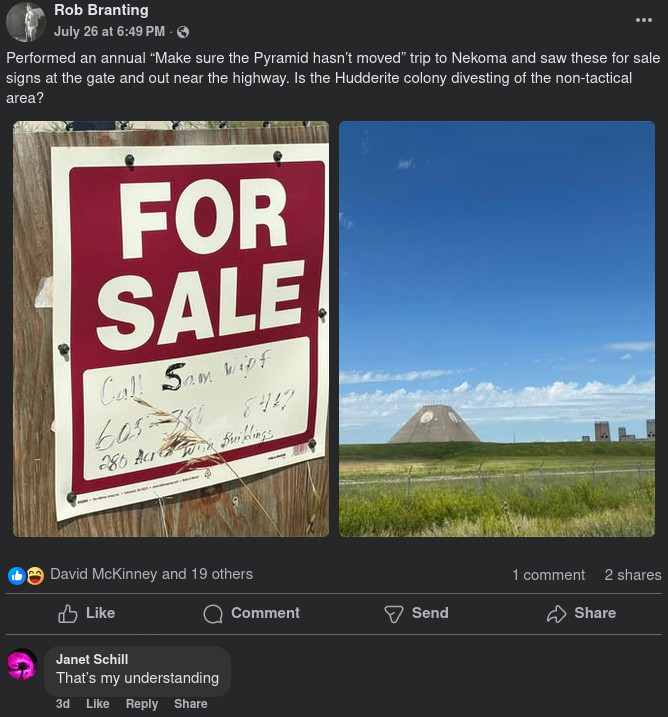
26 Jul 2025 Hutterites place MSR non-tactical area FOR SALE
Source: Facebook (2)
(Click photo for larger version)
Source: Facebook (2)
(Click photo for larger version)
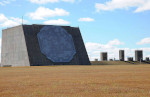
23 Mar 2026 PARCS radar at Cavalier Space Force Station to receive major upgrade
Seven other early warning radars will also be upgraded. (more...)
Seven other early warning radars will also be upgraded. (more...)
-
Text:
- The Rise and Fall of Safeguard: Anti‐Ballistic Missile Technology and the Nixon Administration G. Spinardi, 2010 (New window)
- Foreign Relations of the United States, 1969–1976, Volume XXXII, SALT I, 1969–1972 Erin R. Mahan & Edward C. Keefer, 2010 (New window)
- Vincent Godon Collection
- Strategic Defense: Four Decades of Progress James A. Walker, Frances Martin, and Sharon S. Watkins; 1995
- SMDC History - The First ABM Site in the Free World Space and Missile Defense Command
- SMDC - A Chronological Review of 60 Years Space and Missile Defense Command
- en.wikipedia.org
-
Photos:
- See linked-to page for sources