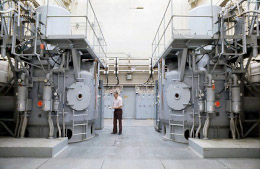
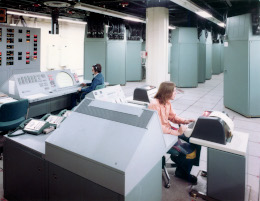
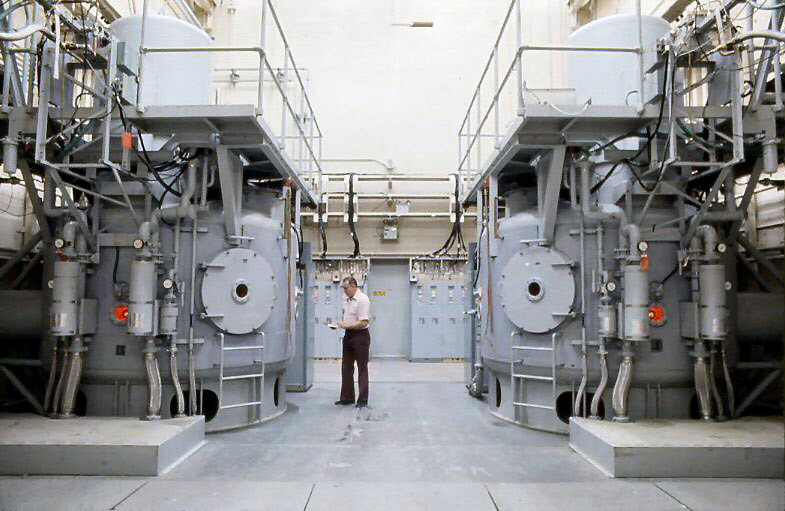
Deactivation of the two subsystems pictured above (radar transmitter and data processing computer) effectively shut down the Missile Site Radar (MSR) as ordered by the Joint Chiefs of Staff
following Congressional direction.
The End of Safeguard
Facebook post, Ronald Reagan Minuteman Missile State Historic Site, 10 February 2024
At 2:58pm this day in 1976, the Data Processing System (DPS) required to coordinate the defensive operations of the Missile Site Radar at the Stanley R. Mickelsen Safeguard Complex in
North Dakota was "unplugged". The brief nuclear anti-ballistic missile mission of the Safeguard program was at an end.
Perhaps the greatest myth about the Safeguard site near Nekoma, North Dakota was that it operated for only a single day. While it is true that the site gained a full operational
capability on October 1, 1975 and that the U.S. House of Representatives moved to close the site on October 2nd, the site had at least a limited defensive mission between April 1,
1975 and February 10, 1976.
The program had always been controversial, and ended up being a costly effort. $5.7 billion had been spent since 1969 ($32 billion in 2024 dollars). Supporters of the program pointed
out the political benefits of the system in influencing the Strategic Arms Reduction Treaty (SALT-I) and the advances made in technology. Critics pondered the true effectiveness of the system
as merely another continuation of the Cold War arms race.
Nicolas Wade of Science Magazine in September 1974 bluntly put it this way "It is, if nothing else, a notable monument to Western technology and preoccupations, one which, like
the funerary pyramids of ancient Egypt, will move future generations to marvel equally at the civilization’s extraordinary technical skills and its unswerving devotion to the mortuary arts."
Excerpt from comments by Bob Gamboa, Western Electric
I was in Langdon/Nekoma from the time they began digging the hole for the underground floors of the MSR until we shut off the power and ended the project. It took five years for both
complexes to become fully operational.
Within a two to three month period, we were terminating the project due to the SALT talks with the Russians. When we were given the word, the Data Processing Team began shutting down
the Data Processing System (all Computers). Next came the Transmitter (directed by
Ves Fulp). The building became very quiet. Those of us that were in and around the Data Processing Center
(Control Room) just sat there in quiet dismay. The project had ended after many years of development.
Comments from Noel Laxdal, DPS computer operator,
via Facebook (new window)
I was one of the operators that turned off the DPS for the final time on Feb 10th. It was more than 1 big breaker you would flip. The recording subsystem, the floor below had rows of power supplies,
air and water handlers and the radar system. After the DPS and all the air handlers were turned off it was so silent it was a strange feeling. We all looked around and thought, will they change
their minds and we can turn it back on. The systems had been running continuously since it was installed. I can only remember one other time when it was shut off to do a change to the main power
to the site, and it came back up without any issues. After that I transferred to the PAR site and worked there for about 5 years.
MSR End of Life Events / Effects
from
Ves Fulp, Western Electric engineer.
Sources:
-
Ronald Reagan Minuteman Missile State Historic Site via Facebook (4)
-
Photos:
-
0065: Anonymous WECo engineer
-
1069: Ves Fulp, Western Electric engineer