Home > System Components > MSR Complex > MSR / MSCB >
MSR / MSCB Photo Galleries >
Exterior, Underground Entrance (C: Nothumbs) | Interior, Misc (D: Nothumbs)
MSR / MSCB Photos
Underground Entrance, Gallery C (No Thumbs)
Interior, Miscellaneous, Gallery D (No Thumbs)
Gallery C
Underground complex entrance area. (Thumbnails)
-
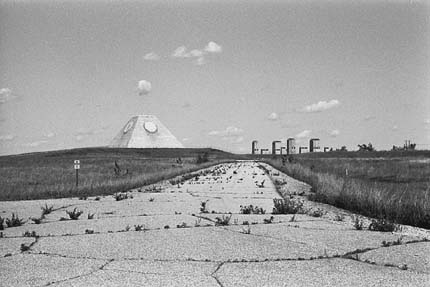
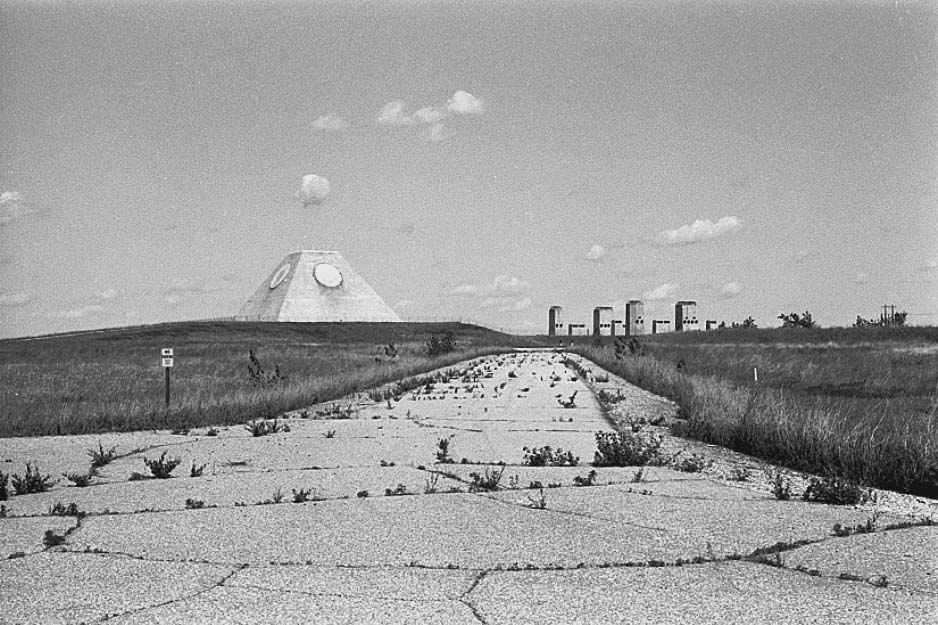
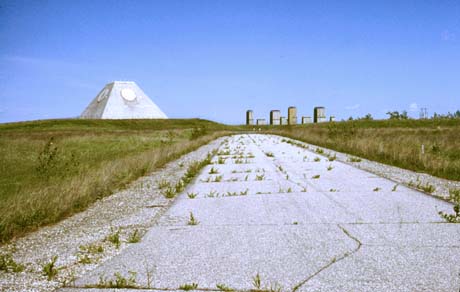
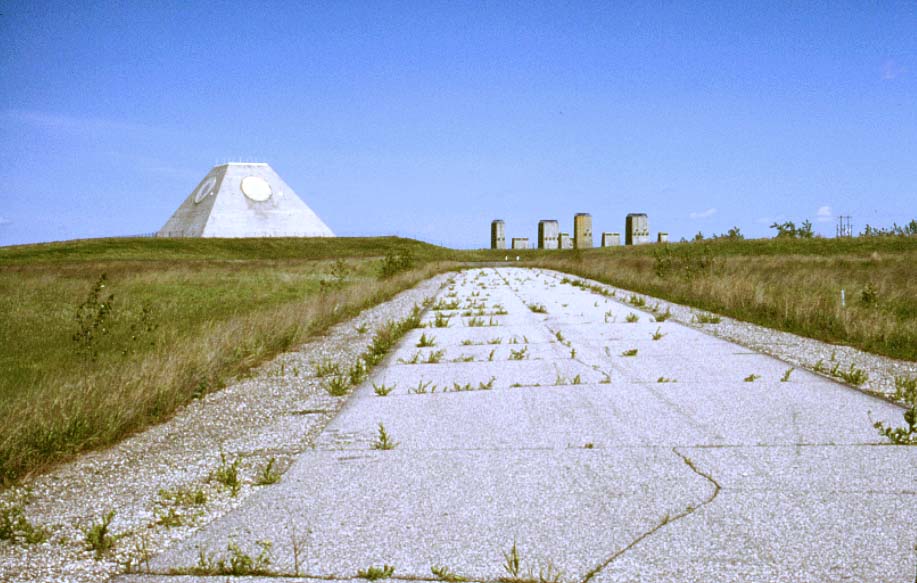
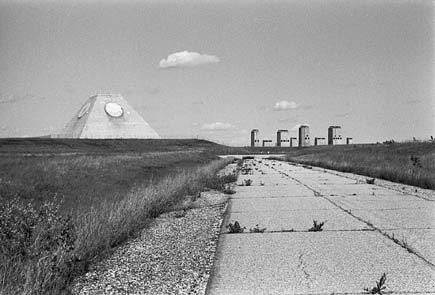
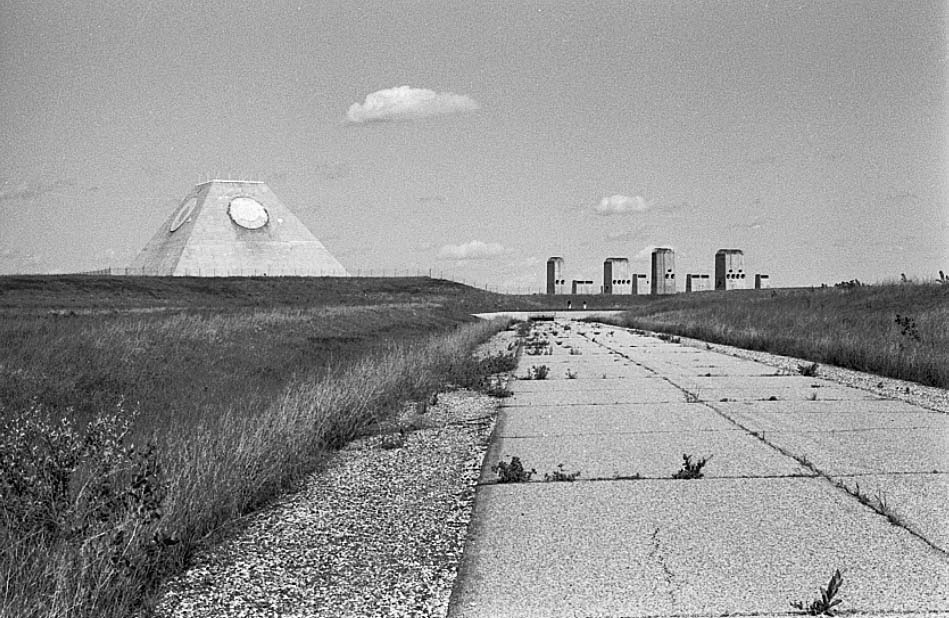
C01:
Access road to underground complex entrance (1982).
- This view is from just inside the limited area sentry station.
-
(430 x 287 = 021k) Show | Omit descr (000929)
(938 x 625 = 119k) Show | Omit descr
-
C02:
Farther along the road to the underground entrance (1982).
-
C03:
Half way to the underground entrance (1982).
- Underground complex entrance is just visibile below generator ports.
-
(435 x 295 = 023k) Show | Omit descr (000930)
(949 x 618 = 124k) Show | Omit descr
-
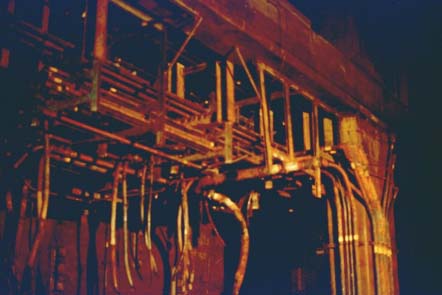
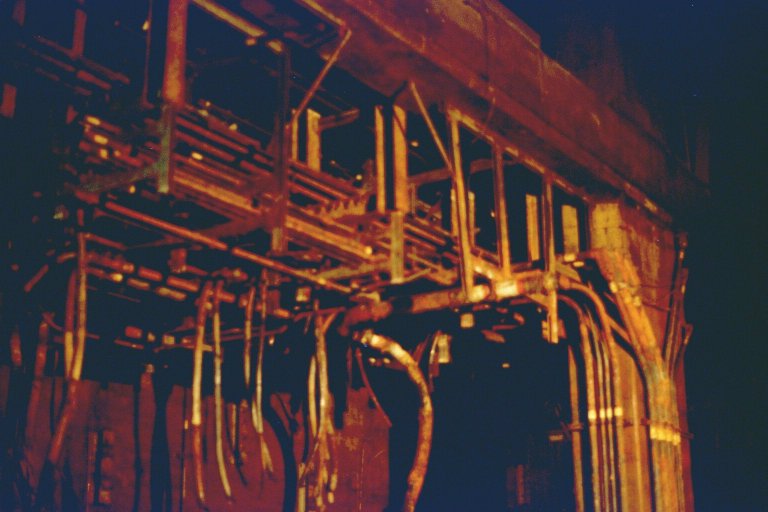
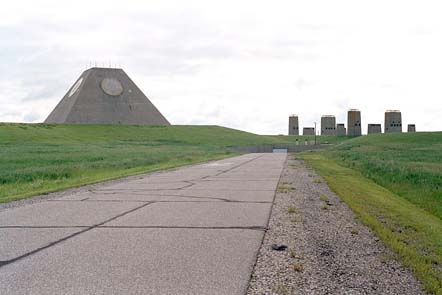
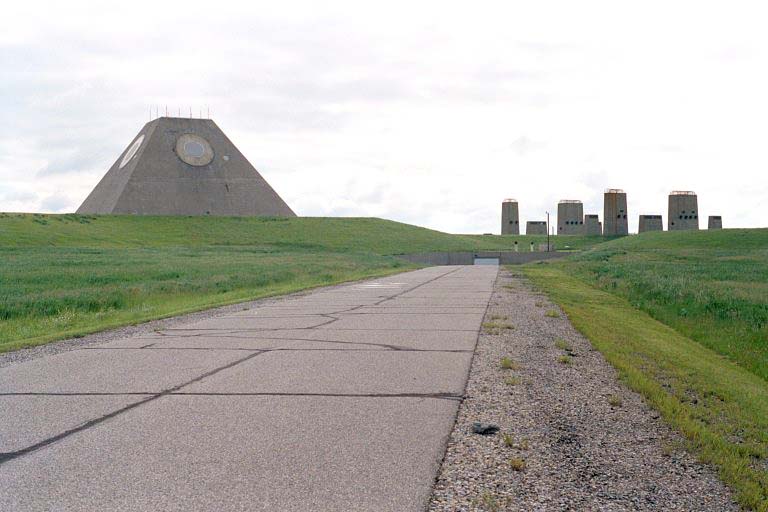
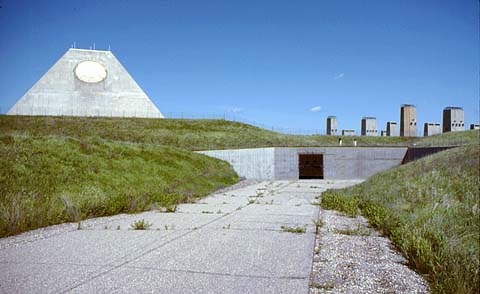
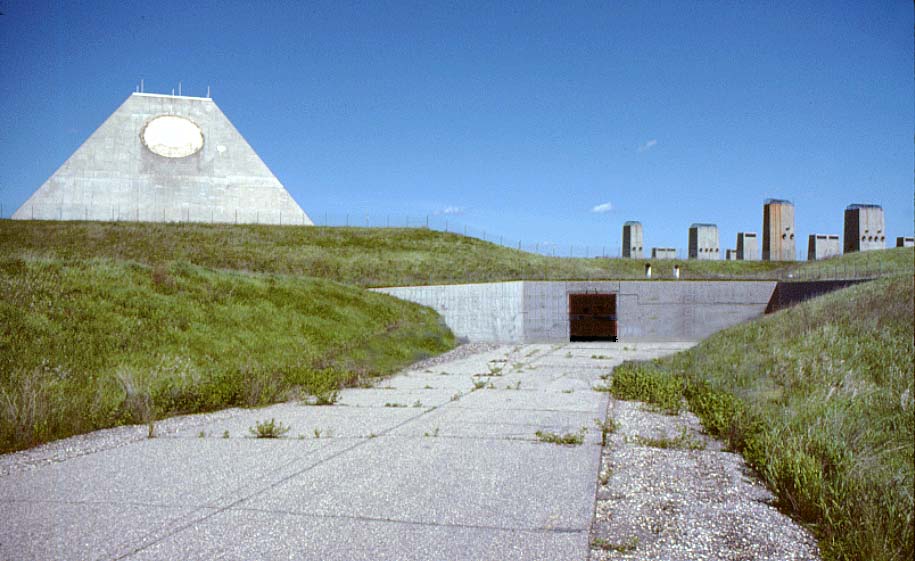
C04:
Half way to the underground entrance (2001).
- The upper portion of an overhead door in the entrance to the underground complex is visible just above the roadway. This entrance was closed in following de-watering and environmental cleanup of the MSCB and power plant.
-
(442 x 295 = 21k) Show | Omit descr (002804)
(768 x 512 = 60k) Show | Omit descr - Photo by Ron Plante.
-
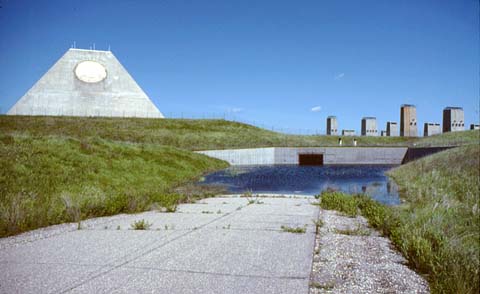
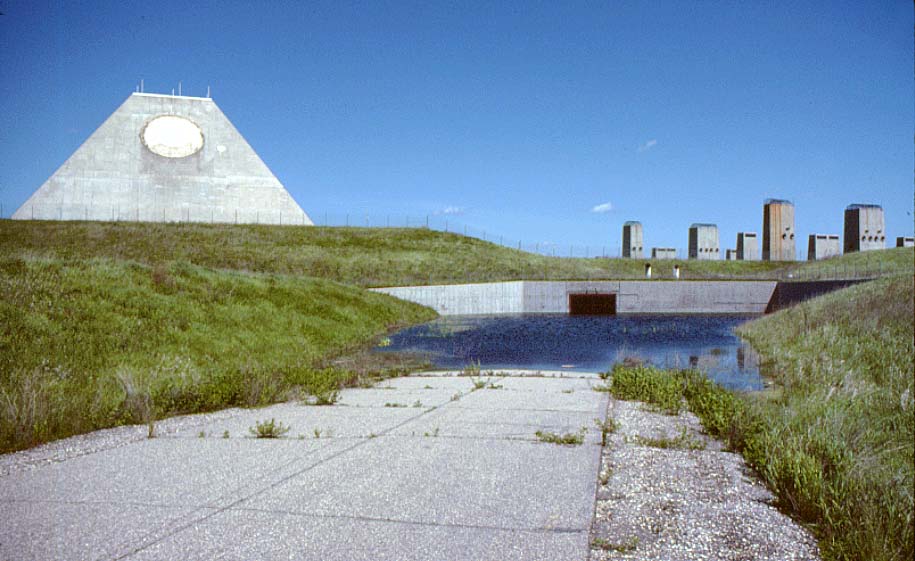
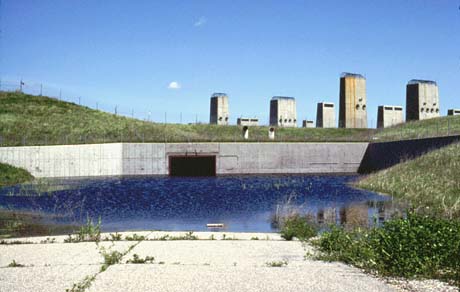
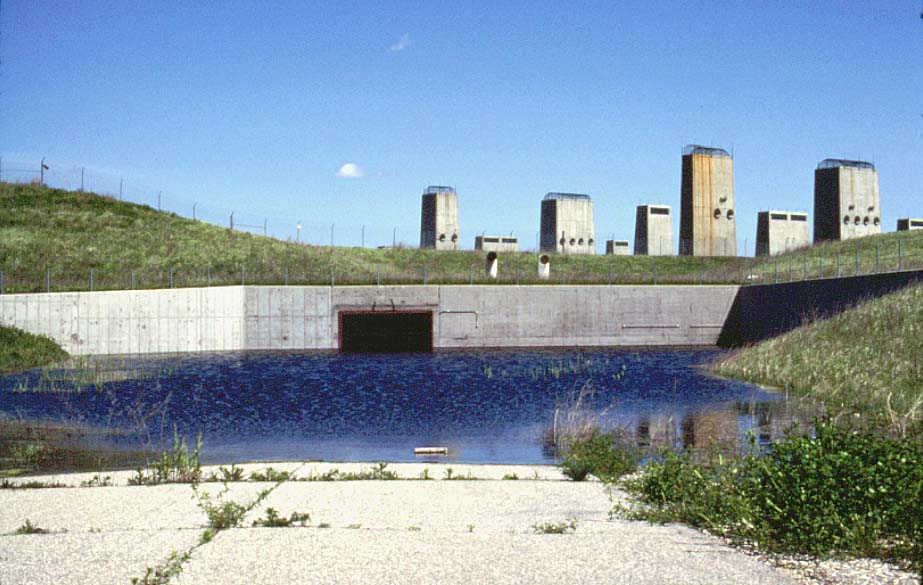
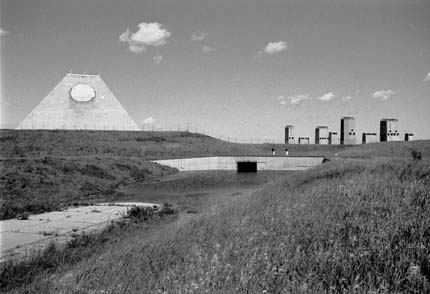
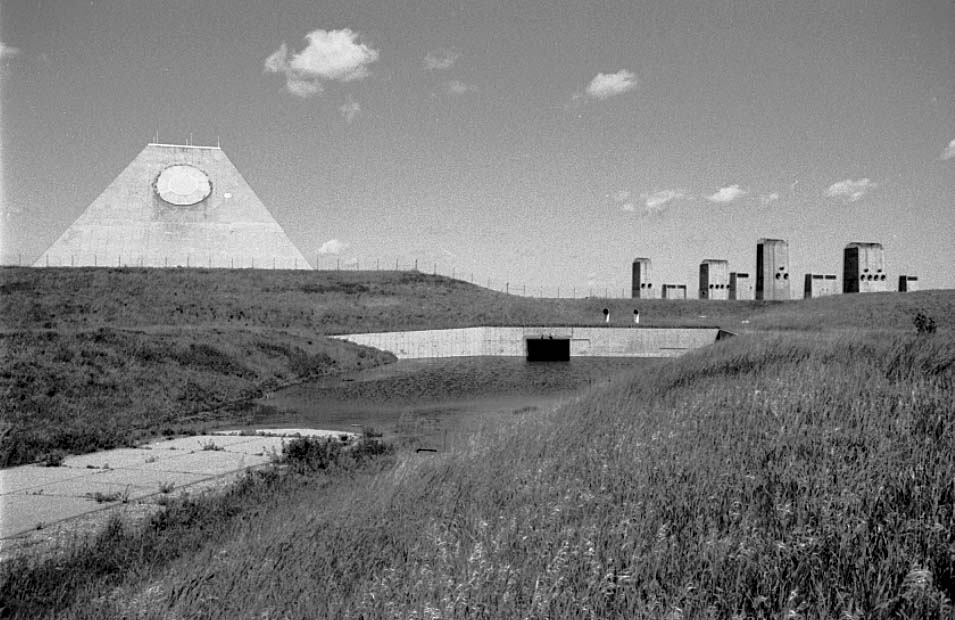
C05:
Wide view of the entrance to the Missile Site Control Building (MSCB) underground complex (1982).
- The MSCB underground complex was a two story structure measuring 231 by 231 feet.
- Water has leaked into the structure from the adjacent reservoir (out of view to the right) but was later pumped out as part of an environmental cleanup to remove PCB's and other hazardous materials.
-
(480 x 294 = 26k) Show | Omit descr (000833)
(915 x 561 = 85k) Show | Omit descr
-
C06:
Altered version of C05 (wide view of entrance to MSCB) showing how the entrance would have looked before it was flooded (1982).
- After the site was activated and the large blast door closed at the inside end of the tunnel, operational personnel used the MSCB second level emergency exit for day-to-day access to the MSCB (see photo C15). For additional information, see comments from Charles Campbell.
-
(480 x 294 = 29k) Show | Omit descr (000833)
(915 x 561 = 84k) Show | Omit descr
-
C07:
Closer view of entrance to underground complex (1982).
-
C08:
Closeup view of entrance to underground complex (1982).
-
C09:
Entrance to underground complex viewed from reservoir berm (1982).
-
C10:
Entrance to underground complex viewed from retaining wall (1982).
-
C11:
Closer photo of entrance to underground complex viewed from retaining wall (1982).
-
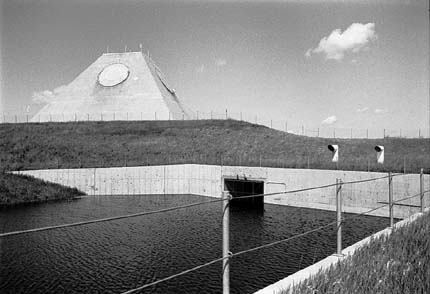
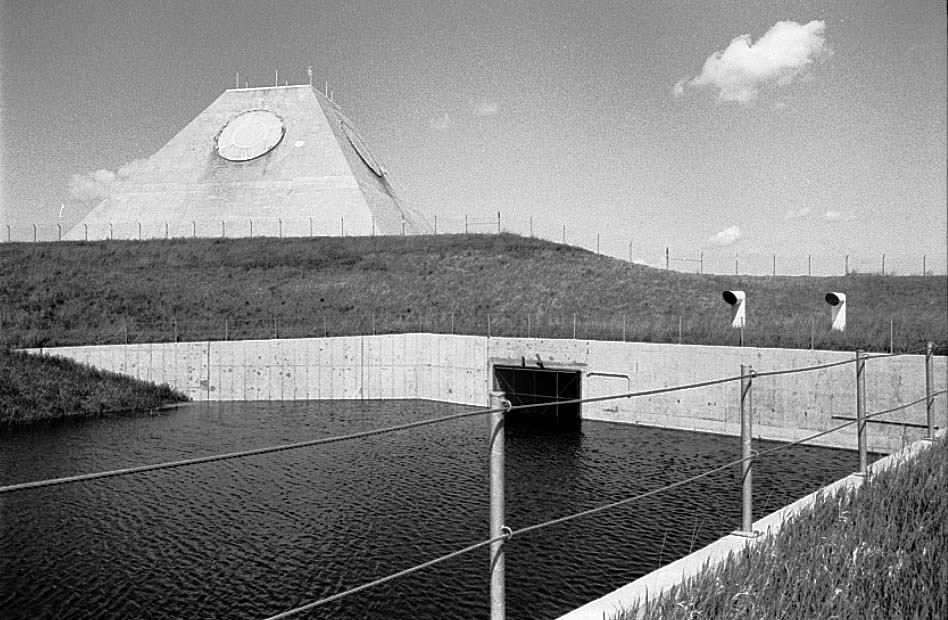
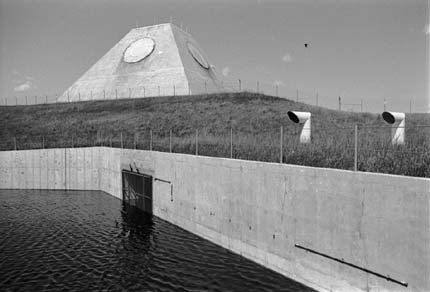
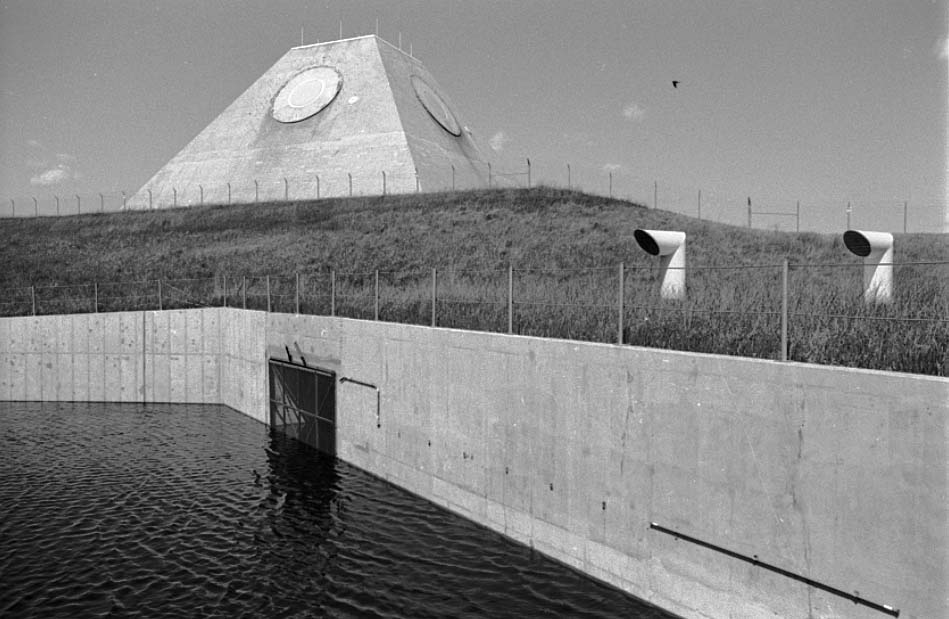
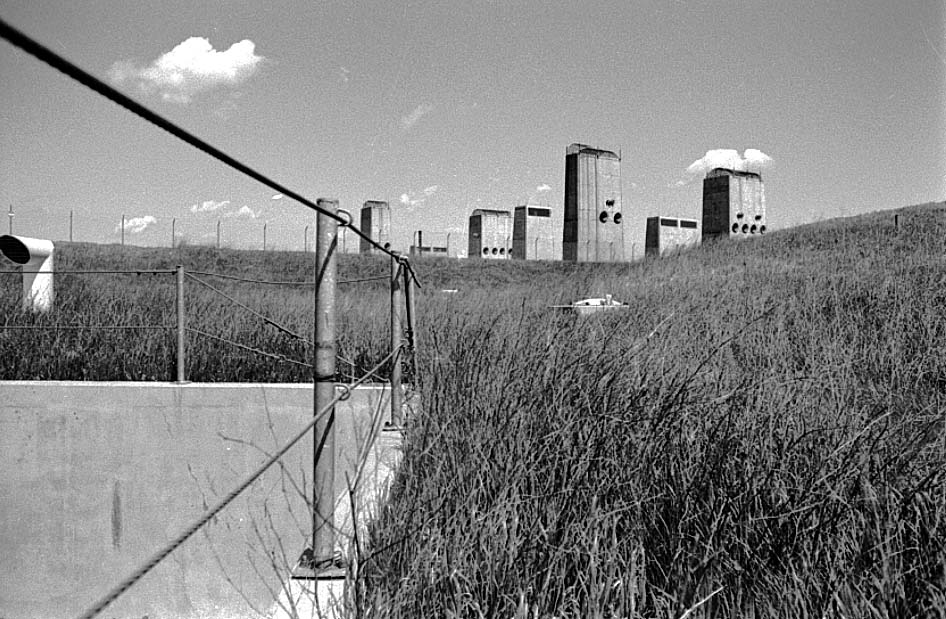
C12:
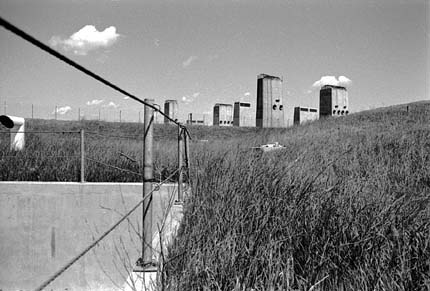
View along top of retaining wall toward generator ports (1982).
- An access or escape hatch can be seen below the highest generator port. For additional information about this hatch, see comments from Charles Campbell.
-
(430 x 291 = 028k) Show | Omit descr (000921)
(946 x 619 = 131k) Show | Omit descr
-
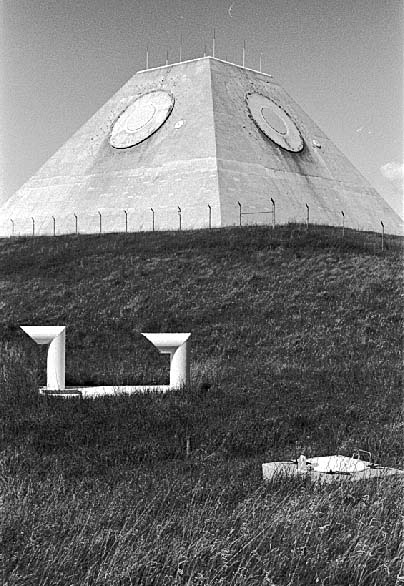
C13:
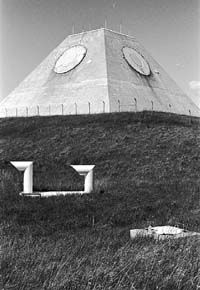
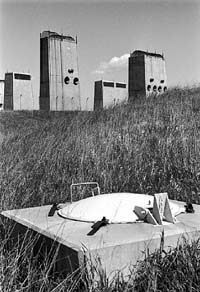
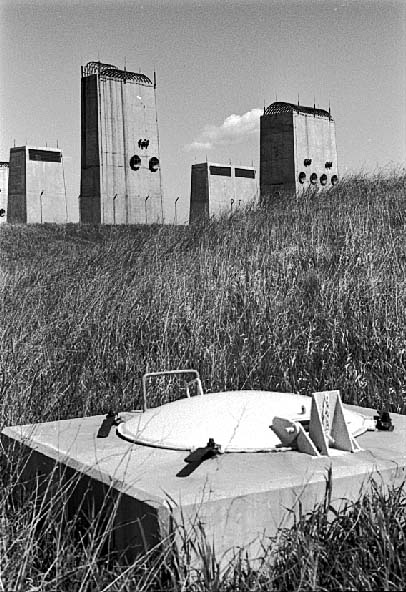
View towards the MSR from the retaining wall area (1982).
- The access or escape hatch can again be seen in lower right.
-
(200 x 290 = 12k) Show | Omit descr (000924)
(404 x 586 = 64k) Show | Omit descr
-
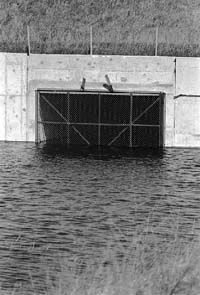
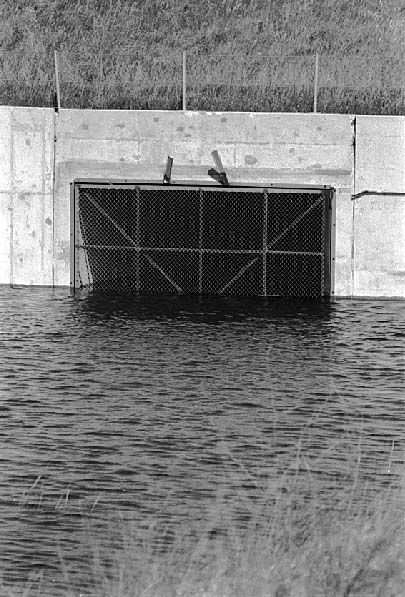
C14:
Closeup of the access or escape hatch (1982).
-
C15:
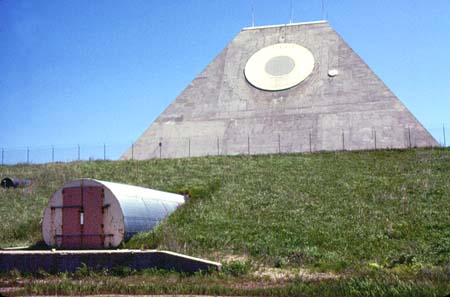
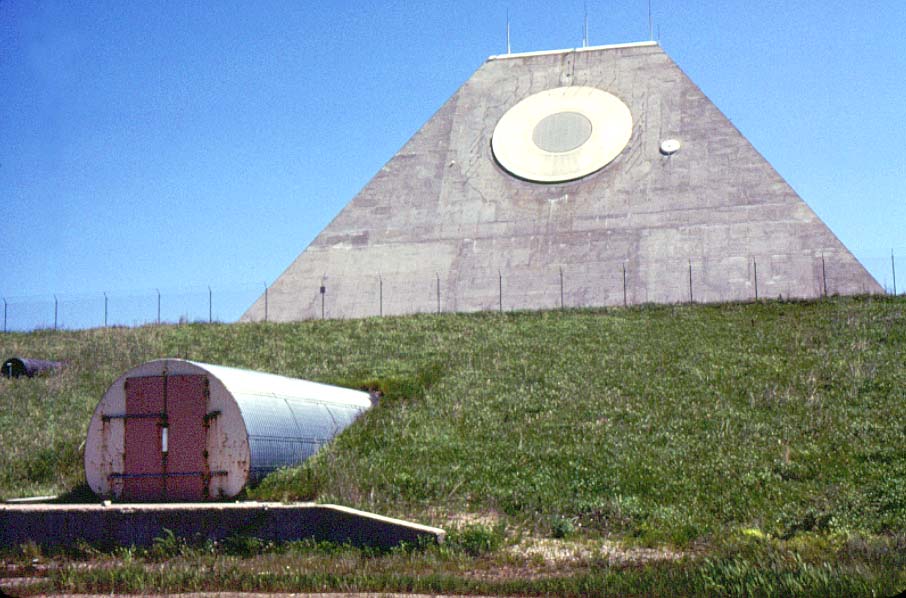
Emergency exit from underground complex on northwest side of MSR/MSCB structure (1982).
- After the site was activated and the large blast door closed at the inside end of the main access tunnel in photo C06 (above), operational personnel used this entry for day-to-day access to the MSCB. For additional information, see comments from Charles Campbell.
-
(450 x 297 = 26k) Show | Omit descr (000823)
(906 x 598 = 91k) Show | Omit descr
Interior (Thumbnails)
-
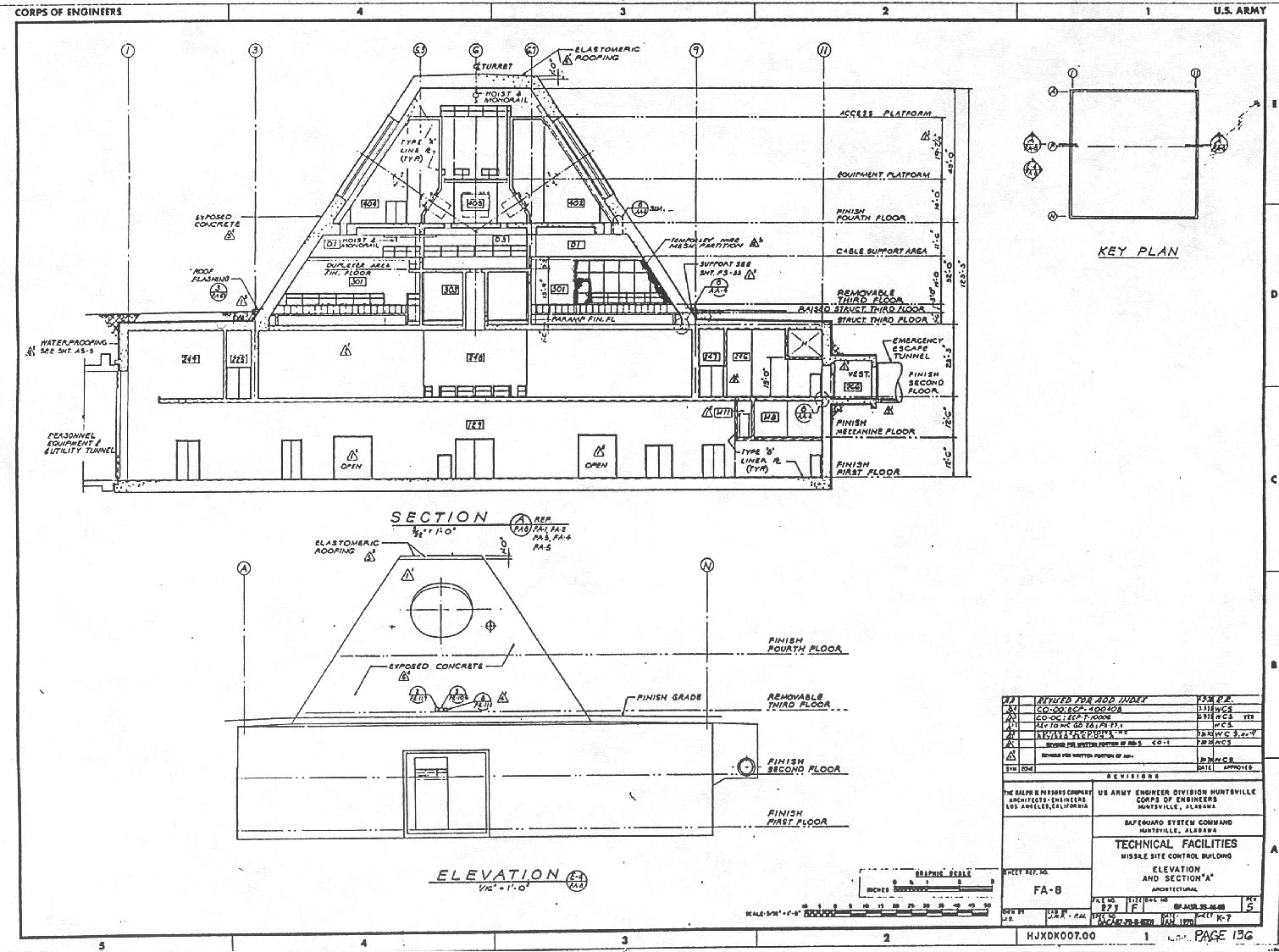
D01:
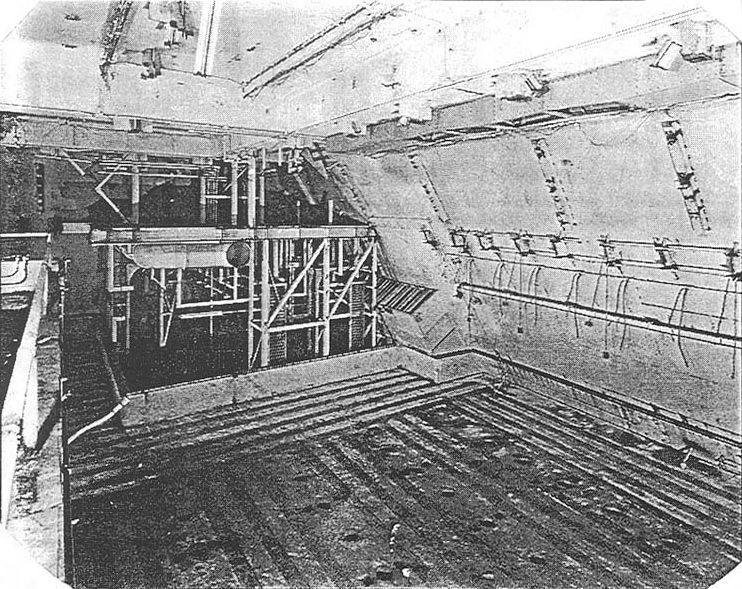
Elevation and Section A.
- Additional floor plans, elevations, etc. for the MSCB and MSPP.
- (1510 x 1124 = 279k) Show | Omit descr (HAER ND-9-B-20 002709)
-
D02:
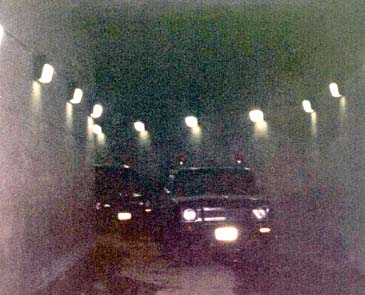
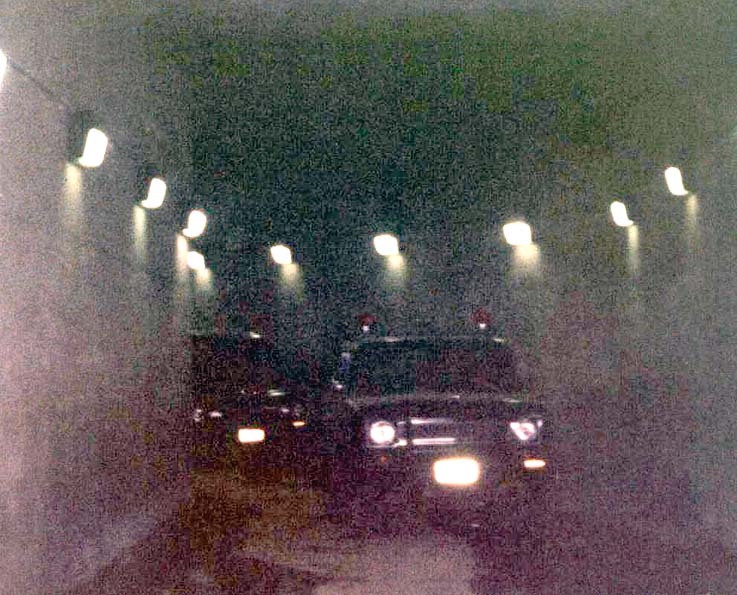
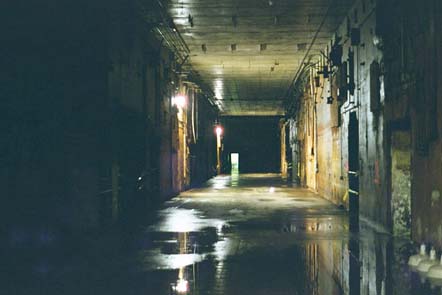
Entrance tunnel (1975).
-
(365 x 295 = 036k) Show | Omit descr (004025)
(737 x 595 = 121k) Show | Omit descr - Photo by John Thompson.
-
(365 x 295 = 036k) Show | Omit descr (004025)
-
D03:
MSCB (Missile Site Control Building) level 1 corridor (1975).
- Shock isolation facilities can be seen in this photo.
- (408 x 323 = 23k) Show | Omit descr (004011)
- Photo by John Thompson.
-
D04:
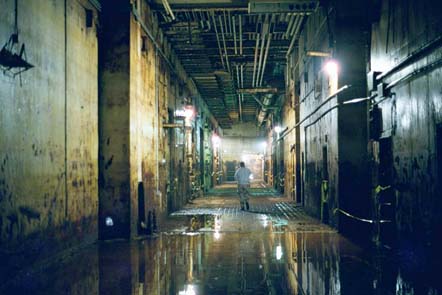
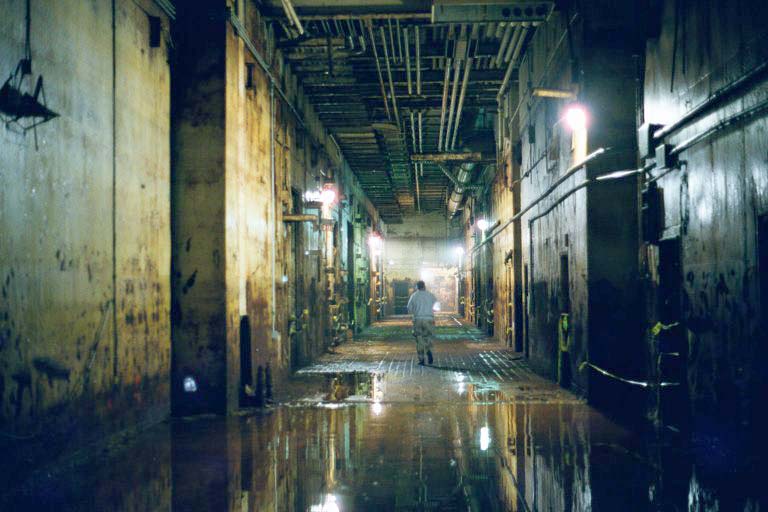
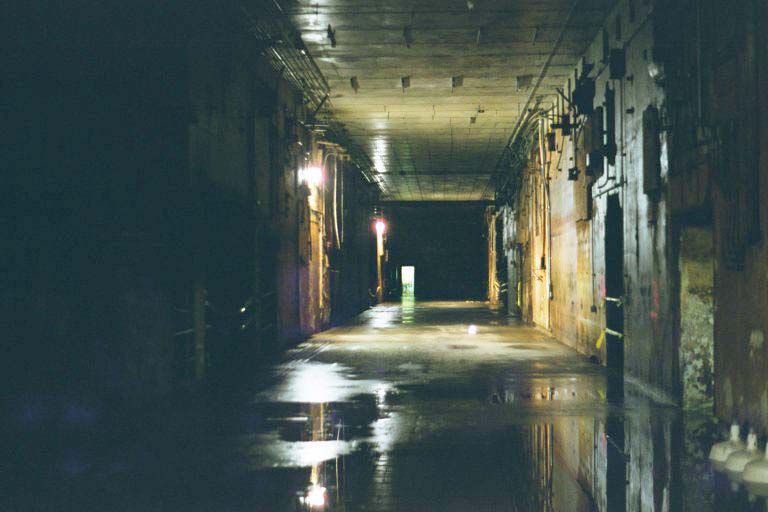
MSCB level 1 main corridor (2001).
- Mark Berhow (co-author of Rings of Supersonic Steel) is walking through the corridor.
-
(442 x 295 = 28k) Show | Omit descr (002813)
(768 x 512 = 61k) Show | Omit descr - Photo by Ron Plante.
-
D05:
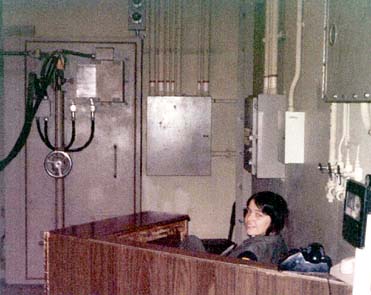
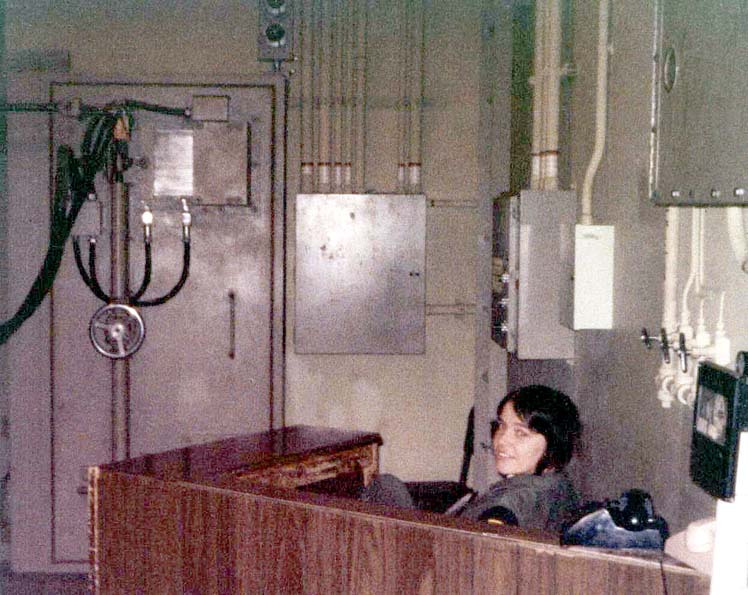
<$ MSCB air lock with MP Ellen Peuss (sp?) on duty (1975).
- ID'd by Pat Murphy.
-
(371 x 295 = 25k) Show | Omit descr (004014)
(748 x 595 = 88k) Show | Omit descr - Photo by John Thompson.
-
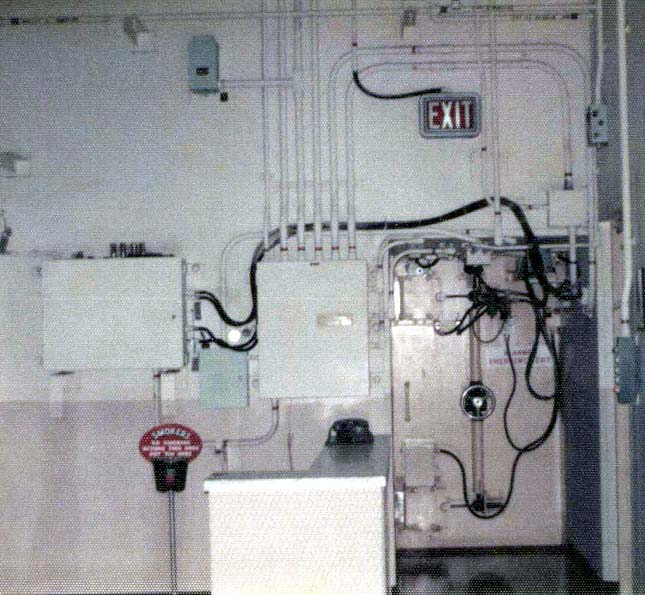
D06:
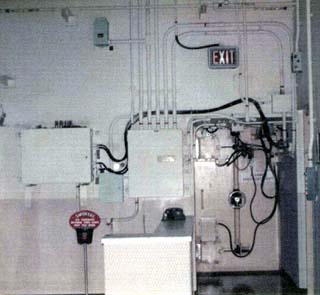
MSCB air lock and MP station (1975).
-
(320 x 295 = 19k) Show | Omit descr (004013)
(645 x 595 = 85k) Show | Omit descr - Photo by John Thompson.
-
(320 x 295 = 19k) Show | Omit descr (004013)
-
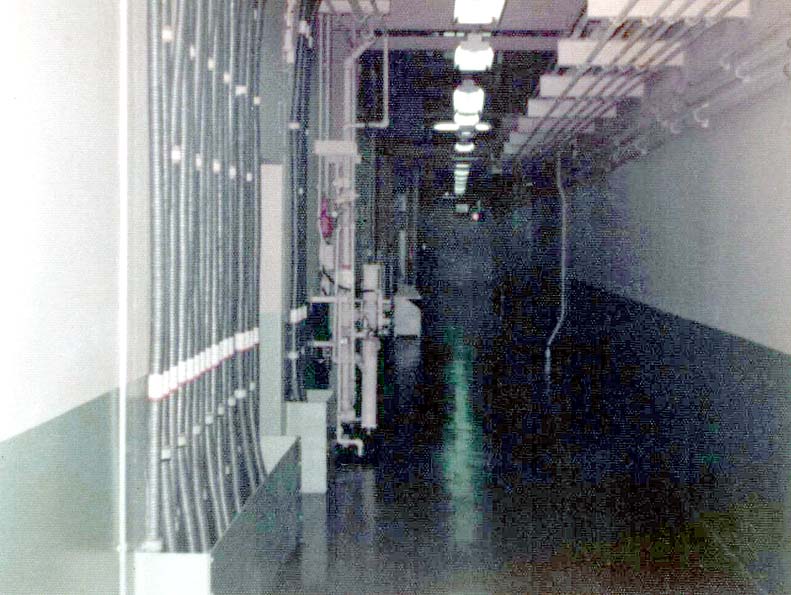
D07:
MSCB level 2 corridor (1975).
-
(392 x 295 = 23k) Show | Omit descr (004012)
(791 x 595 = 90k) Show | Omit descr - Photo by John Thompson.
-
(392 x 295 = 23k) Show | Omit descr (004012)
-
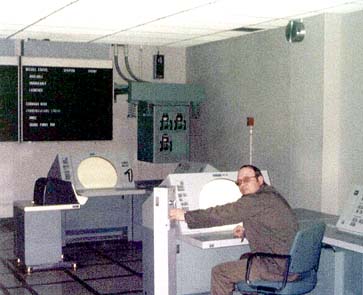
D08:
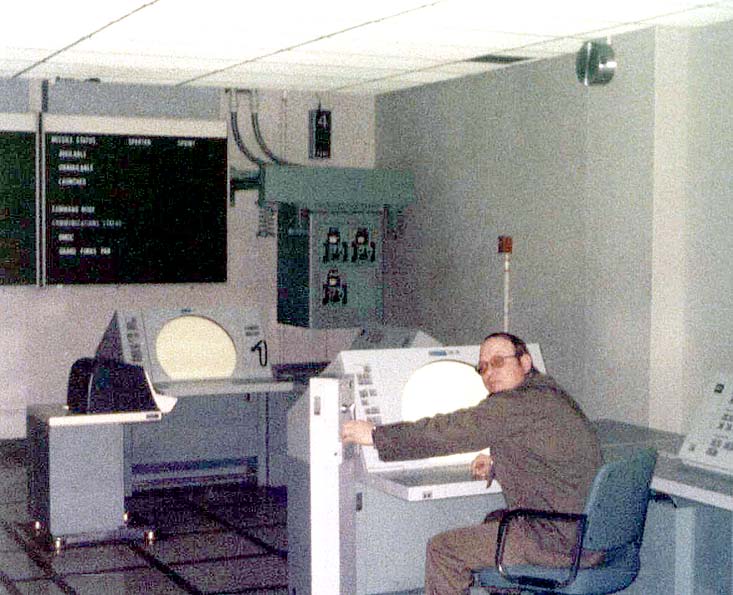
MSCB BMDOC (right front) (1975).
- MSCB room 207.
- Called the "ops center", the Ballistic Missile Defense Operations Center provided the major tactical control of the system. It contained the Tactical Control Consoles for the Tactical and Assistant Tactical Control Officers and the Operations Officer. At the Tactical and Assisstant positions were two sets of key control devices which had to be enabled simultaneously by the two officers in order to allow the system to engage targets. This was part of the Nuclear Surety provided by the system. (Description from Clint Esckilsen)
- The top of the status board at the front of the room shows "Missile Status", with columns for "Spartan" and "Sprint", with rows reading "Armable", "Launchable", "Launchers".
- Frank Flavell (BMDOC operations Sgt.) has provided many interesting details about day-to-day operations in the MSR/MSCB and BMDOC.
- SSG Walter S. Bragg (BMDOC assistant operations Sgt.) is sitting at one of the consoles. (ID'd by Frank Flavell.)
-
(363 x 295 = 23k) Show | Omit descr (004008)
(733 x 595 = 84k) Show | Omit descr - Photo by John Thompson.
-
D09v:
Video: BMDOC engagement exercise.
- Activity is shown during an engagement exercise.
- From Frank Flavell: In most drills, after you had expended all available rounds, a final incoming would be targeted on the MSR, and all you could do was wait for it to hit. A nice way of keeping us humble I guess.
- wmv, 00:42 (320 x 240 = 3.93m) 005015
- From A 20-Year History of the Antiballistic Missile Program.
-
D10v:
Video: BMDOC facilities.
- Console and "flapper board" system status display.
- wmv, 00:08 (320 x 240 = 778k) 005005
- From A 20-Year History of the Antiballistic Missile Program.
-
D11:
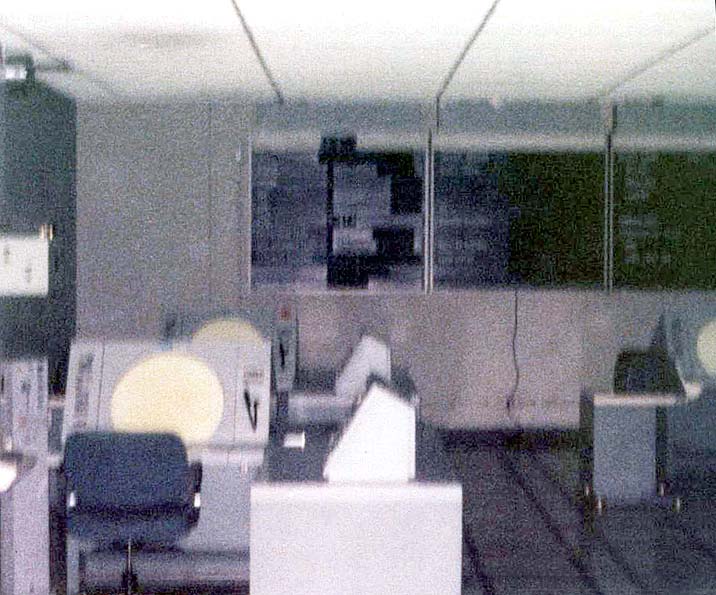
MSCB BMDOC (left front) (1975).
- See photo D08 for detailed explanation.
-
(355 x 295 = 21k) Show | Omit descr (004007)
(716 x 595 = 84k) Show | Omit descr - Photo by John Thompson.
-
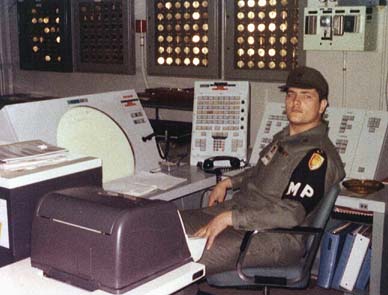
D12:
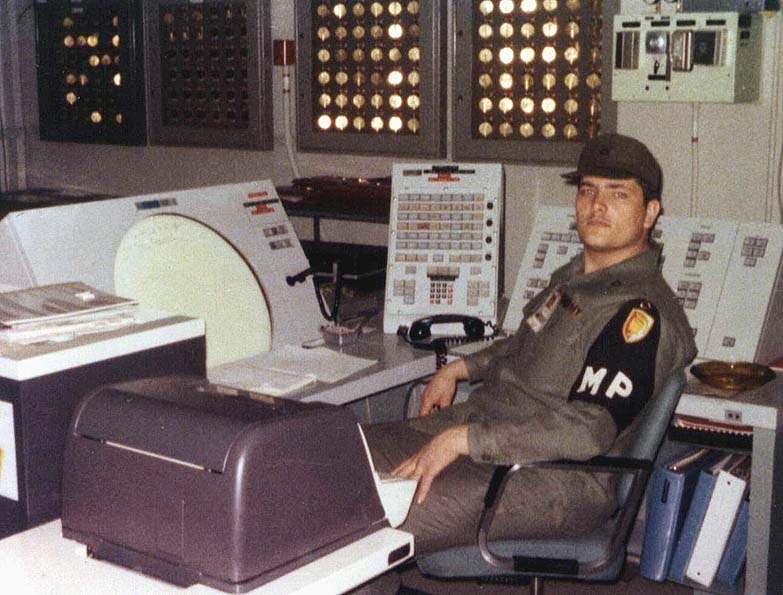
MSCB "ops center" with MP John Thompson at one of the consoles (1975).
-
From Dale Whitacre:
- The panel just to the right of the scope is part of the phone system. I do remember some of the phone buttons; they were not as much speed dial numbers as they were "Direct Lines" hardwired to other sites: Grand Forks, Minot, and other SAC or NORAD locations. "Push the button and someone always answered, never a busy signal."
- The brass colored lights in the backround are key tags, inside key lockboxes (glass fronts). I'm not sure what they all were used for, some were for lock-outs to disable firing, while working in missile cells, some were for security alarms on cells (disable during service). Some even activated motor switches, to move cell covers. Two keys were always required (some locations required three): one from the red missle crew, one from the blue missle crew, and some entry locations, that were alarmed, required the MP's to also bring a key, or combination, and to communicate with the SOCC operator during entries.
-
(388 x 295 = 26k) Show | Omit descr (004005)
(783 x 595 = 78k) Show | Omit descr - Photo by John Thompson.
-
From Dale Whitacre:
-
D13:
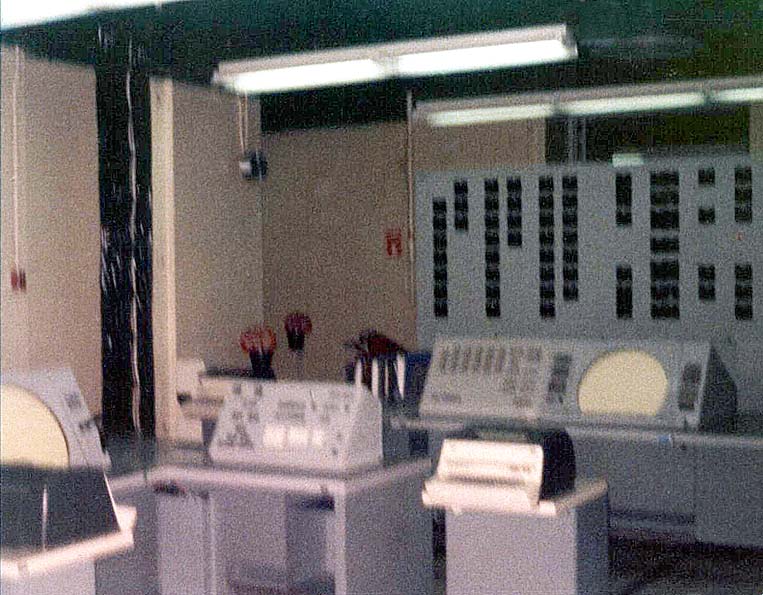
MSCB ERC (1975).
- MSCB room 204.
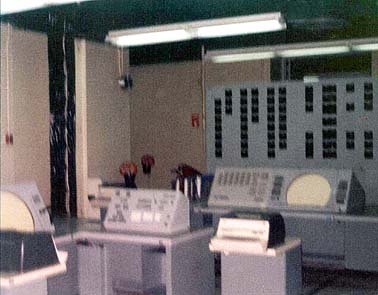
- The Equipment Readiness Center consisted of an Equipment Readiness Console (wide console with the CRT in background) and large automatic status display panels (background) for all major equipment areas: radar, computers, missiles (including RSL's), and all other major supporting systems. (Description from Clint Esckilsen)
-
(378 x 295 = 24k) Show | Omit descr (004006)
(763 x 595 = 98k) Show | Omit descr - Photo by John Thompson.
-
D14:
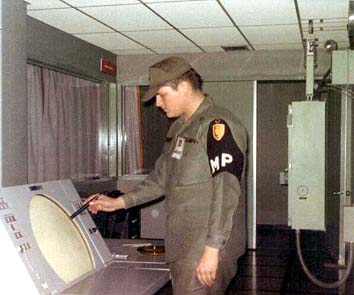
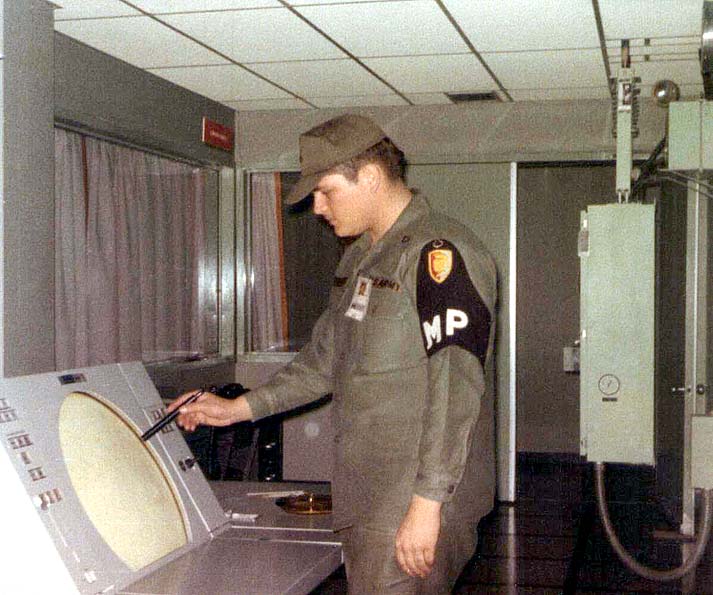
MSCB command dais with MP John Thompson standing at the commander's console (1975).
- The command dais was a raised, glass enclosed area with visibility to both the AADOC (room 209) and the BMDOC (room 207). This area had a special console used by the Safeguard Commanding General to monitor operation of the complex. The curtained window in the background overlooked to the AADOC (Army Air Defense Operations Center) which provided a link with other air defense operations. (Description from Clint Esckilsen)
-
(354 x 295 = 22k) Show | Omit descr (004009)
(713 x 595 = 78k) Show | Omit descr - Photo by John Thompson.
-
D15v:
Video: MSDP (Missile Site Data Processor) area.
- MSCB Room 201.
-
Personnel (with time of appearance):
00:00 Noel Laxdal (red/white checked shirt)
00:07 Ken Weaver - wmv, 00:11 (320 x 240 = 1.09m) 005013
- From A 20-Year History of the Antiballistic Missile Program.
-
D16:
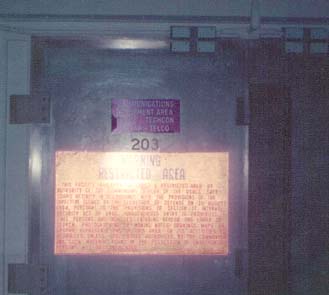
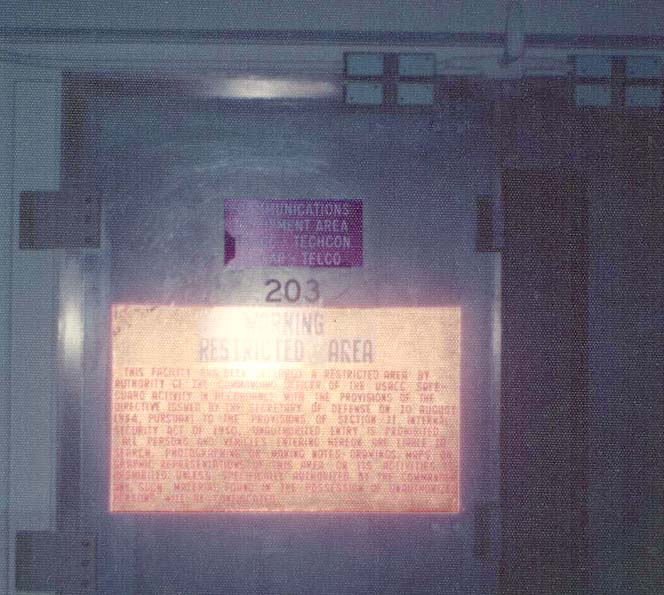
MSCB door to room 203 (SRV area) (1975).
- The System Readiness Verification operations center contained the SRV control console used by the SRV Officer to exercise and evaluate the system. The SRV system was a separate computer system to evaluate performance of the tactical computer system (DPS) via various program generated simulated threat scenarios. (Description from Clint Esckilsen)
- Text of warning message on door.
-
(329 x 295 = 15k) Show | Omit descr (004015)
(664 x 595 = 74k) Show | Omit descr - Photo by John Thompson.
-
D17:
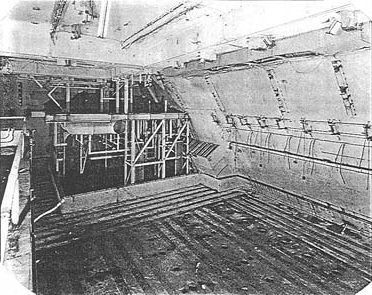
MSCB interior levels 3 and 4, east corner.
- Room #306, former electrical equipment area.
-
(372 x 295 = 038k) Show | Omit descr
(HAER ND-9-B-13 003004)
(742 x 589 = 142k) Show | Omit descr
-
D18v:
Video: Antenna feed horn.
-
Interior view of MSR antenna face.
Feed horn for transmitting/receiving RF signals. - wmv, 00:07 (320 x 240 = 778k) 005012
- From A 20-Year History of the Antiballistic Missile Program.
-
Interior view of MSR antenna face.
-
D19:
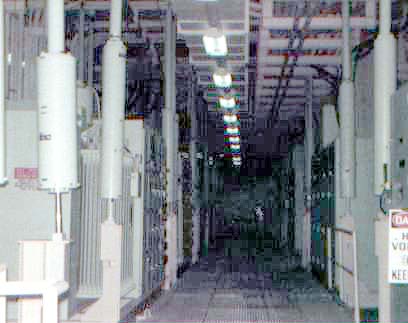
MSPP (Missile Site Power Plant) main corridor on the lower level (2001).
-
(442 x 295 = 20k) Show | Omit descr (002805)
(768 x 512 = 45k) Show | Omit descr - Photo by Ron Plante.
-
(442 x 295 = 20k) Show | Omit descr (002805)
-
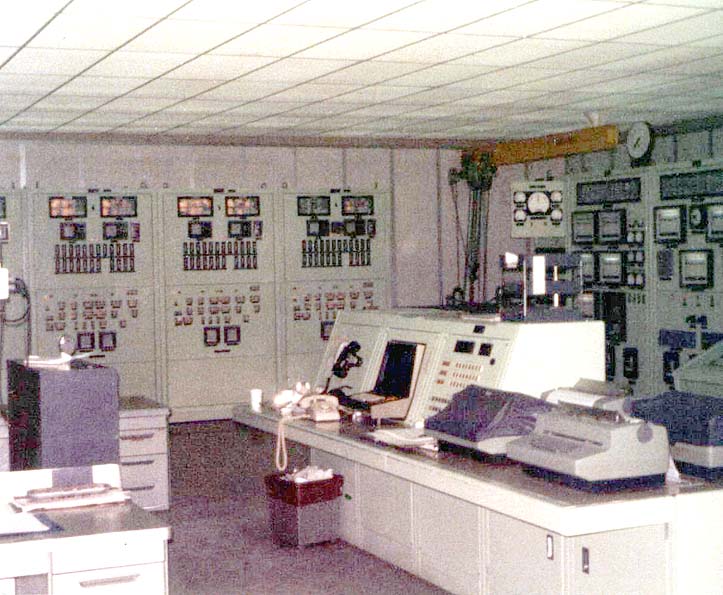
D20:
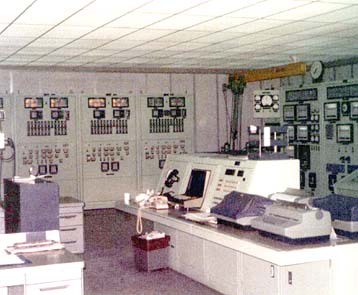
MSPP control room (1975).
- Located on the upper level of the power plant building.
-
(358 x 295 = 26k) Show | Omit descr (004010)
(723 x 595 = 85k) Show | Omit descr - Photo by John Thompson.
-
D21:
MSPP prime mover module (photo 1) (2001).
-
(442 x 295 = 23k) Show | Omit descr (002891)
(768 x 512 = 63k) Show | Omit descr - Photo by Ron Plante.
-
(442 x 295 = 23k) Show | Omit descr (002891)
-
D22:
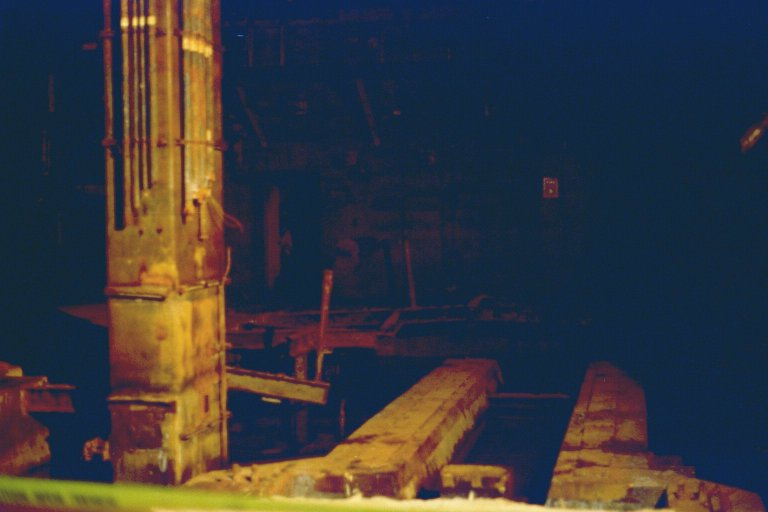
MSPP prime mover module (photo 2) (2001).
-
(442 x 295 = 15k) Show | Omit descr (002892)
(768 x 512 = 42k) Show | Omit descr - Photo by Ron Plante.
-
(442 x 295 = 15k) Show | Omit descr (002892)
-
D23:
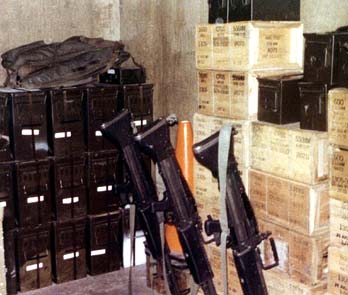
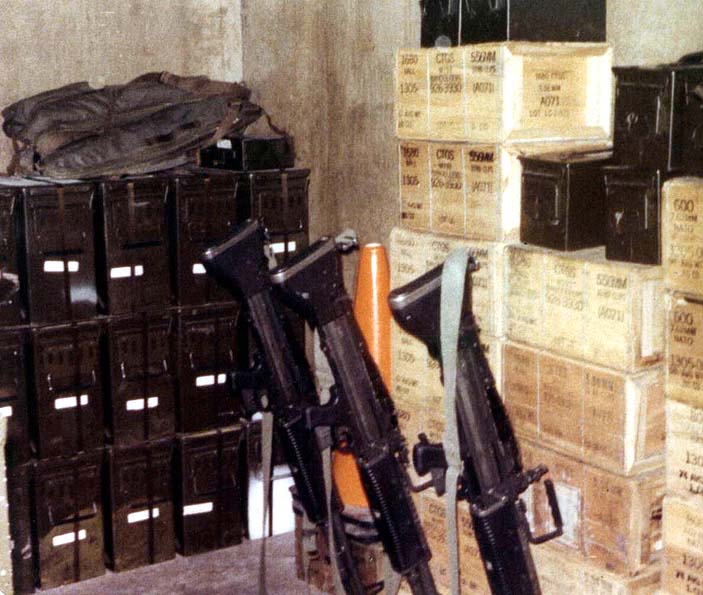
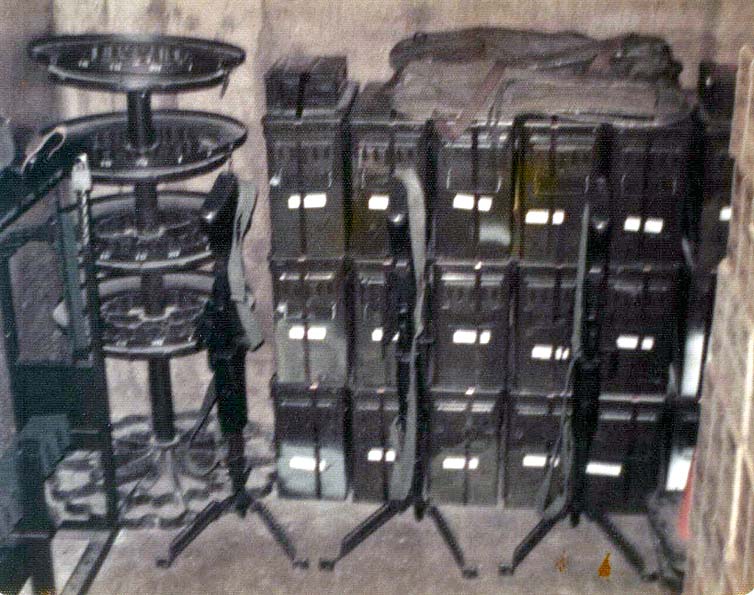
Arms room (photo 1) (1975).
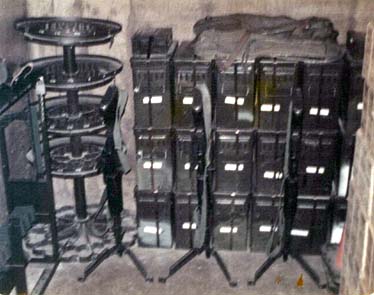
- Security operations for the MSR complex were housed in one corner of the underground power plant building. The lower level contained the decontamination area, arms room, and operations center; the upper level contained the officers' quarters, enlisted dormitory, day room, dining area, etc.
-
(348 x 295 = 26k) Show | Omit descr (004023)
(703 x 595 = 74k) Show | Omit descr - Photo by John Thompson.
-
D24:
Arms room (photo 2) (1975).
- See photo D23 above for details.
-
(374 x 295 = 26k) Show | Omit descr (004024)
(754 x 595 = 90k) Show | Omit descr - Photo by John Thompson.
-
D25:
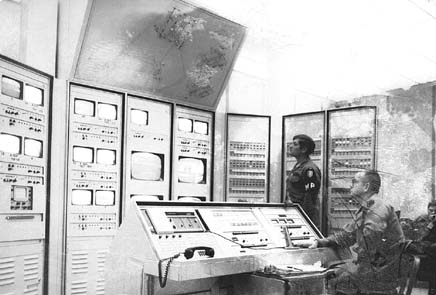
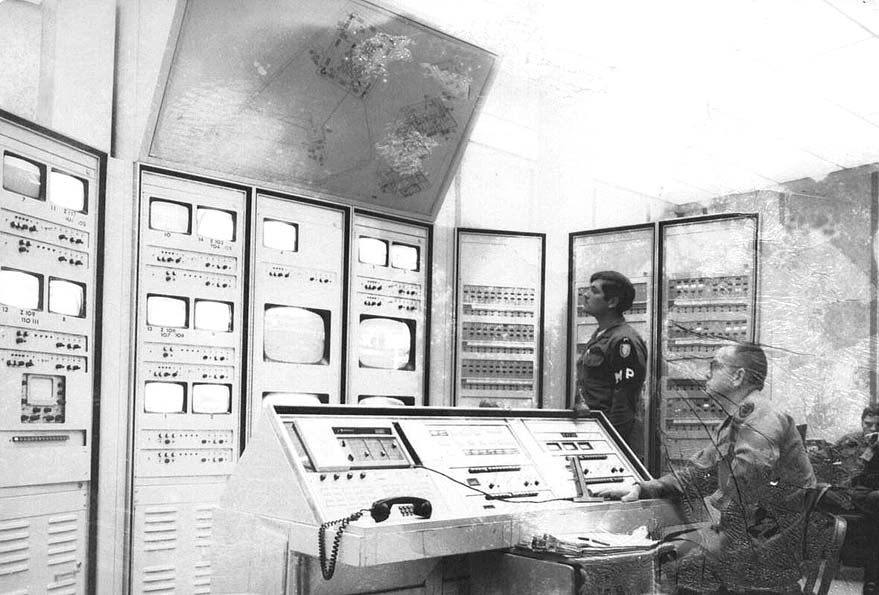
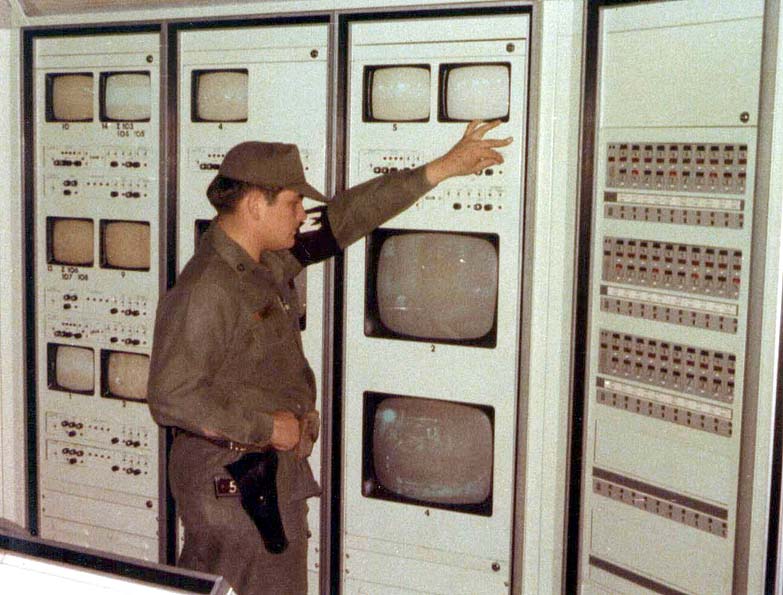
SOCC (Security Operations Control Center) (1975).
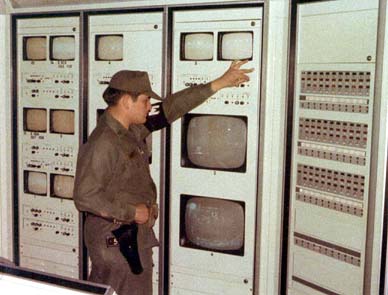
- Located on the lower level of the underground power plant building, the SOCC provided a central monitoring point for the sensors, alarms, and closed circuit TV monitors located throughout the MSR complex.
-
MP John Thompson (standing) is looking at the alarm status map. If you can identify anyone else in the photo, please
 the webmaster.
-
(436 x 295 = 26k) Show | Omit descr (004017)
(879 x 595 = 85k) Show | Omit descr - Photo by John Thompson.
-
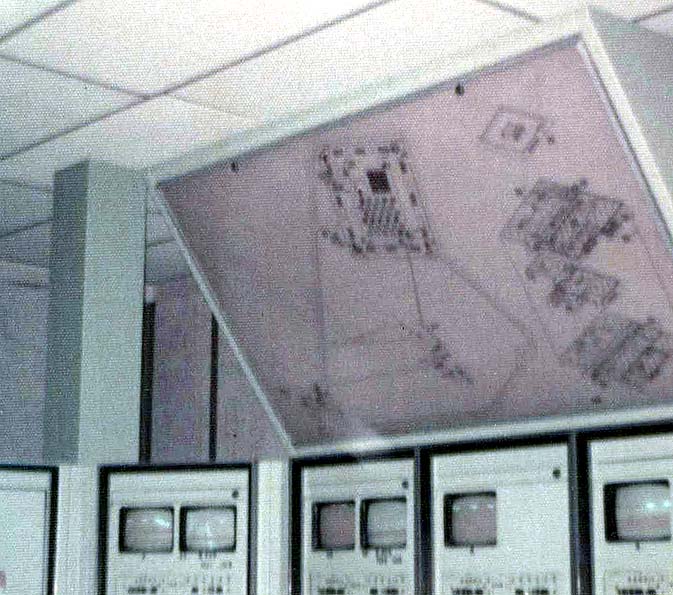
D26:
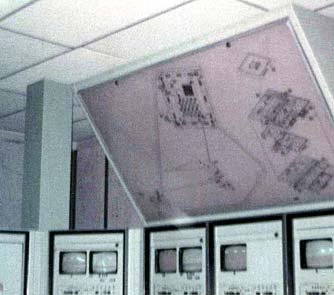
SOCC alarm indicator board (1975).
- Alarm status was indicated on (left) a map of the MSR tactical area and (right) an "exploded" diagram of the MSCB.
-
(334 x 295 = 20k) Show | Omit descr (004022)
(673 x 595 = 90k) Show | Omit descr - Photo by John Thompson.
-
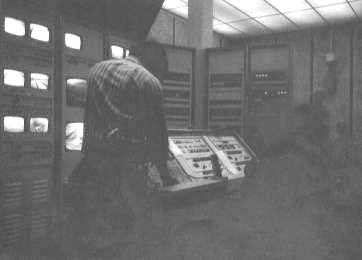
D27:
SOCC (photo 2) (1975).
- (362 x 260 = 8k) Show | Omit descr (004016)
- Photo by John Thompson.
-
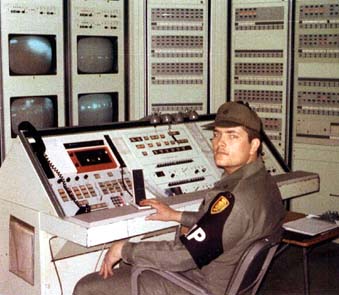
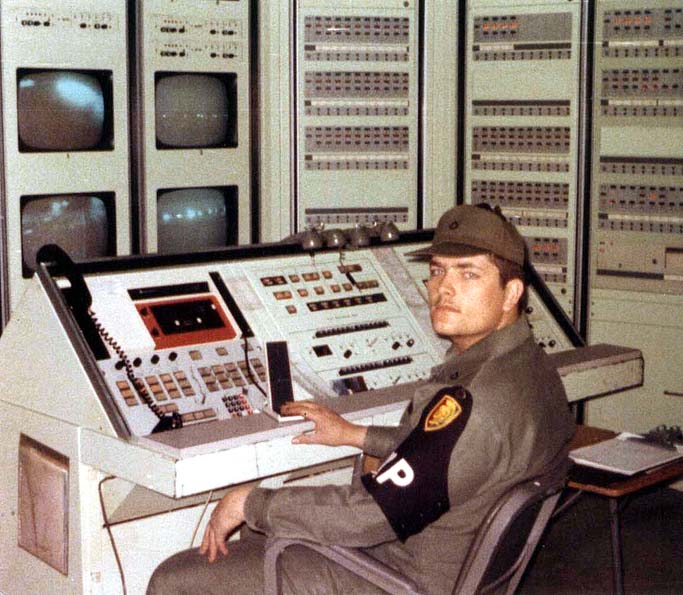
D28:
SOCC console with MP John Thompson in the operator's chair (1975).
-
(339 x 295 = 28k) Show | Omit descr (004018)
(683 x 595 = 81k) Show | Omit descr - Photo by John Thompson.
-
(339 x 295 = 28k) Show | Omit descr (004018)
-
D29:
SOCC CCTV control panel with MP John Thompson making adjustments (1975).
-
(388 x 295 = 27k) Show | Omit descr (004019)
(783 x 595 = 83k) Show | Omit descr - Photo by John Thompson.
-
(388 x 295 = 27k) Show | Omit descr (004019)
-
D30:
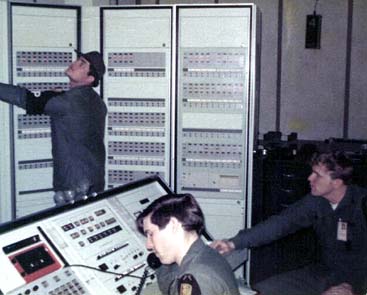
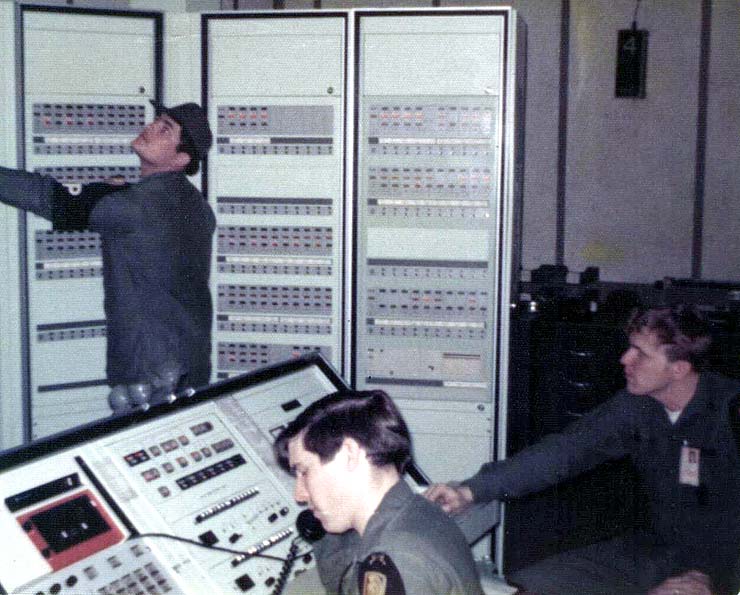
SOCC photo showing MP John Thompson (standing at panel), MP Frank Flynn seated at console, and another unidentified MP (1975). (MP Flynn ID'd by John Thompson).
-
If you can identify the other unknown MP in the photo, please the webmaster.
-
(367 x 295 = 24k) Show | Omit descr (004020)
(740 x 595 = 82k) Show | Omit descr - Photo by John Thompson.
-
If you can identify the other unknown MP in the photo, please
-
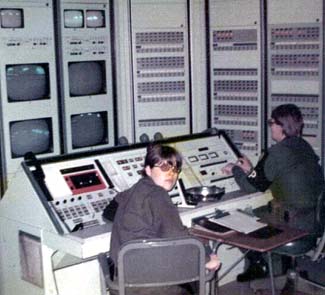
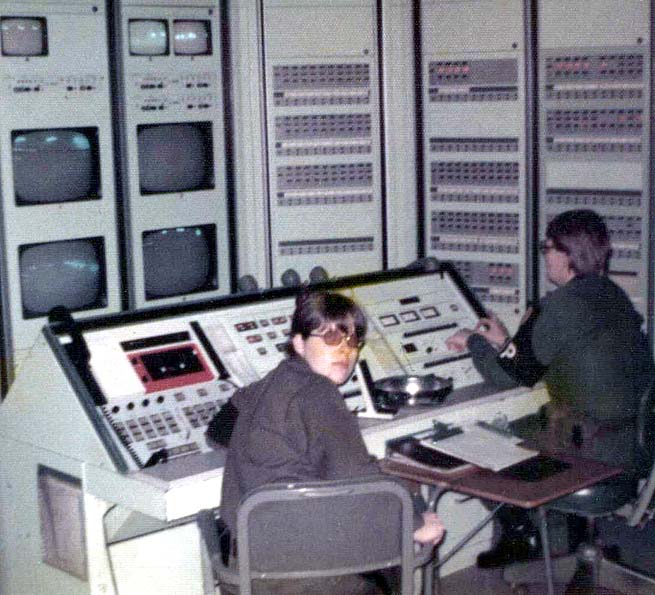
D31 :
MP's at the SOCC console (1975).
- MP on the right is Pat Murphy.
-
If you can identify the MP on the left, please the webmaster.
-
(325 x 295 = 23k) Show | Omit descr (004021)
(655 x 595 = 76k) Show | Omit descr - Photo by John Thompson.